
Gifata
Congratulations to all the natives of Wolaita!!!
Gifata World Heritage!!!
Gifata is not only the heritage of Wolaita but the people of the world.
The "Gifata" festival of Wolaita is registered as a world heritage site.
Congratulations to all the natives of Wolaita!!!
Gifata World Heritage!!!
Gifata is not only the heritage of Wolaita but the people of the world.
The "Gifata" festival of Wolaita is registered as a world heritage site.
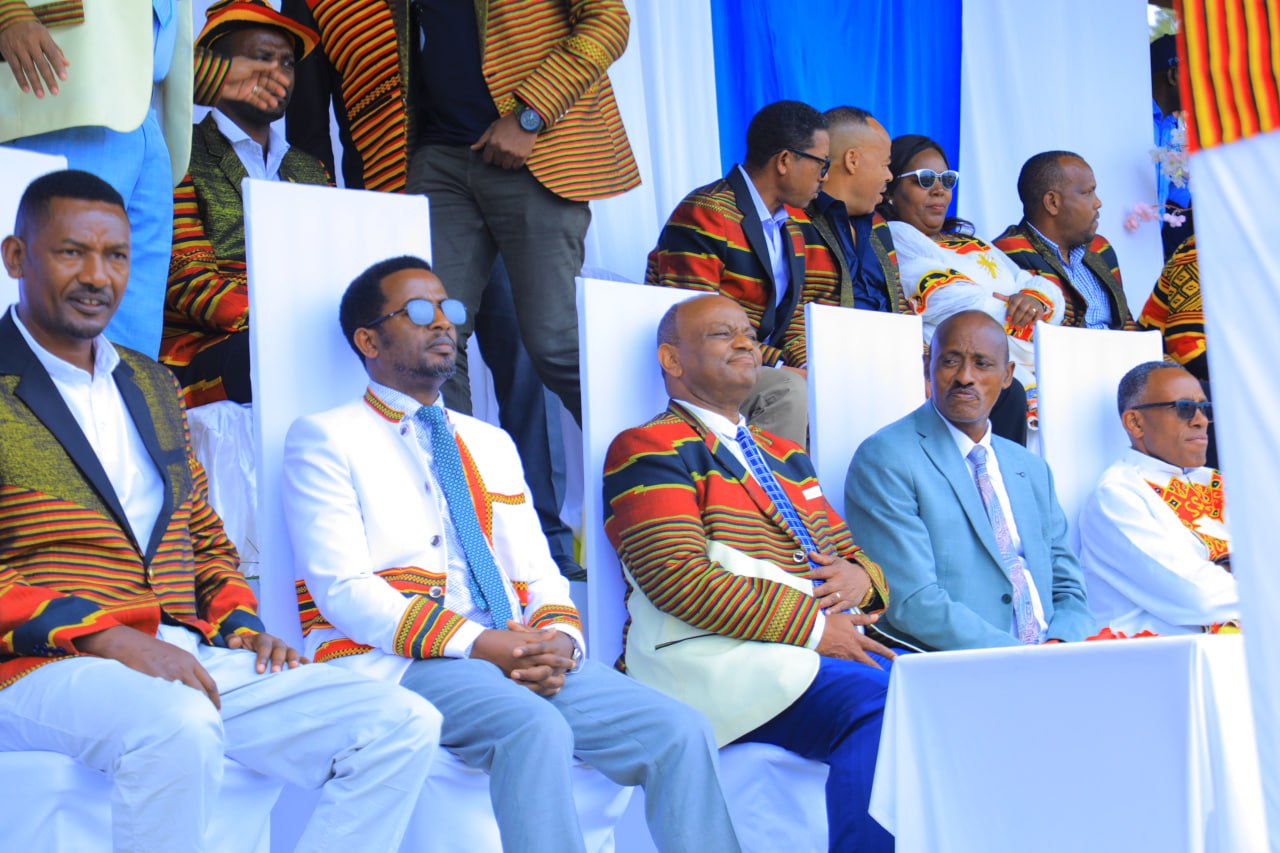
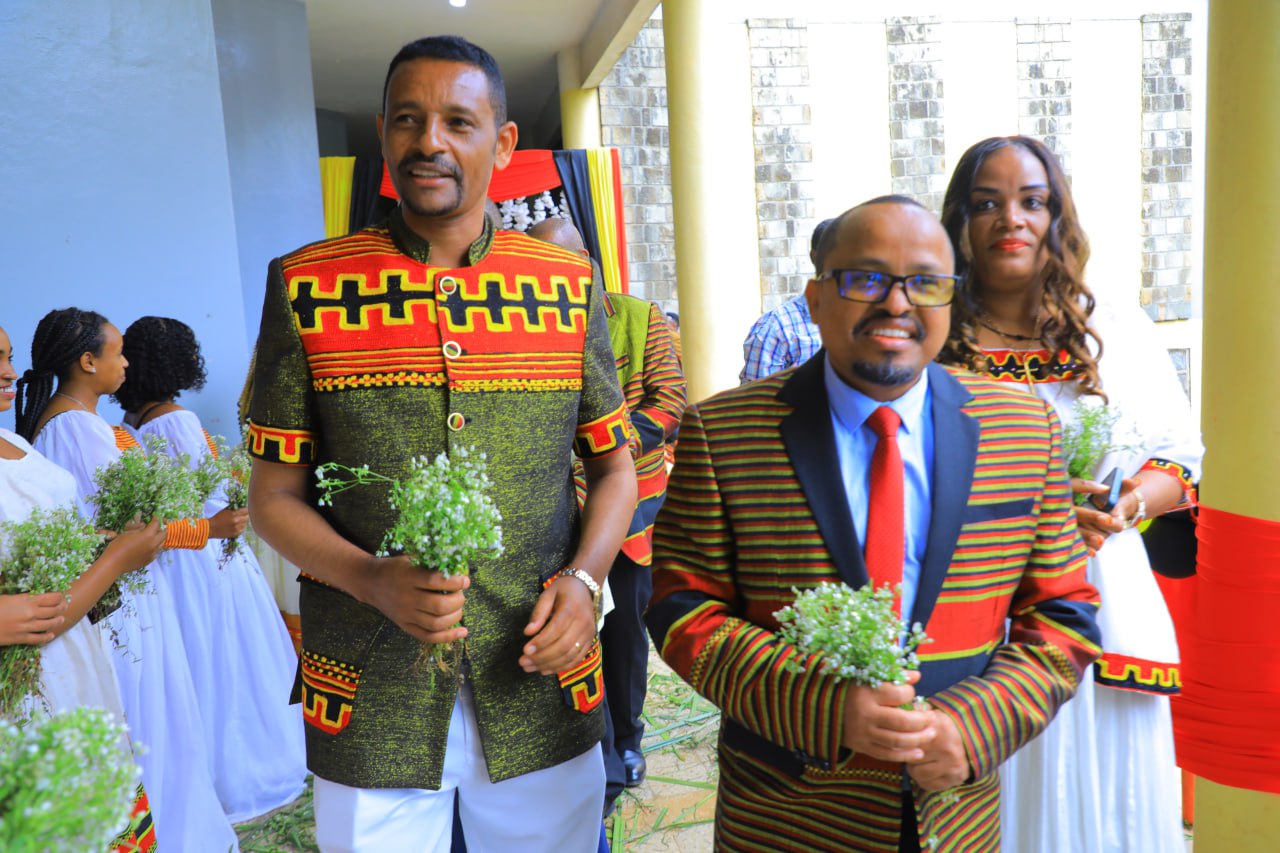
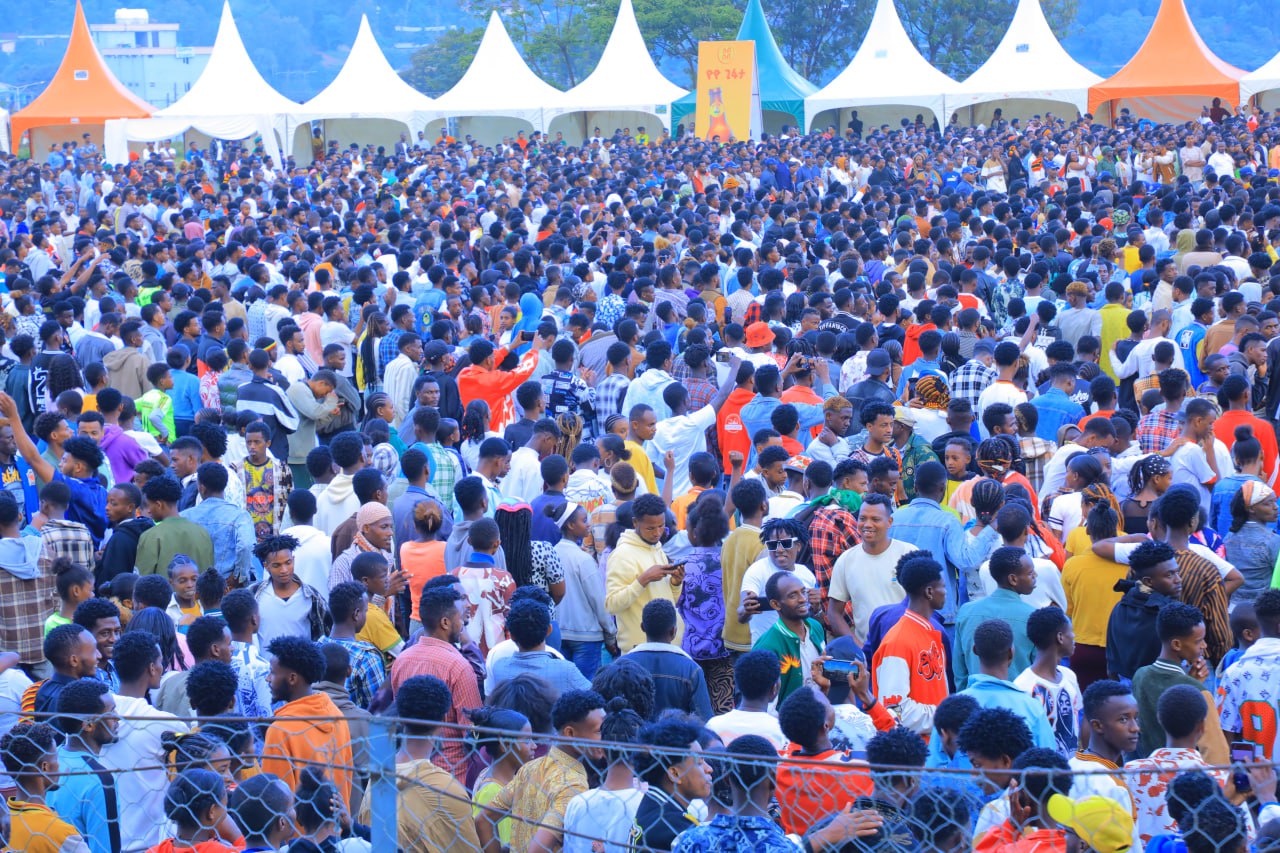
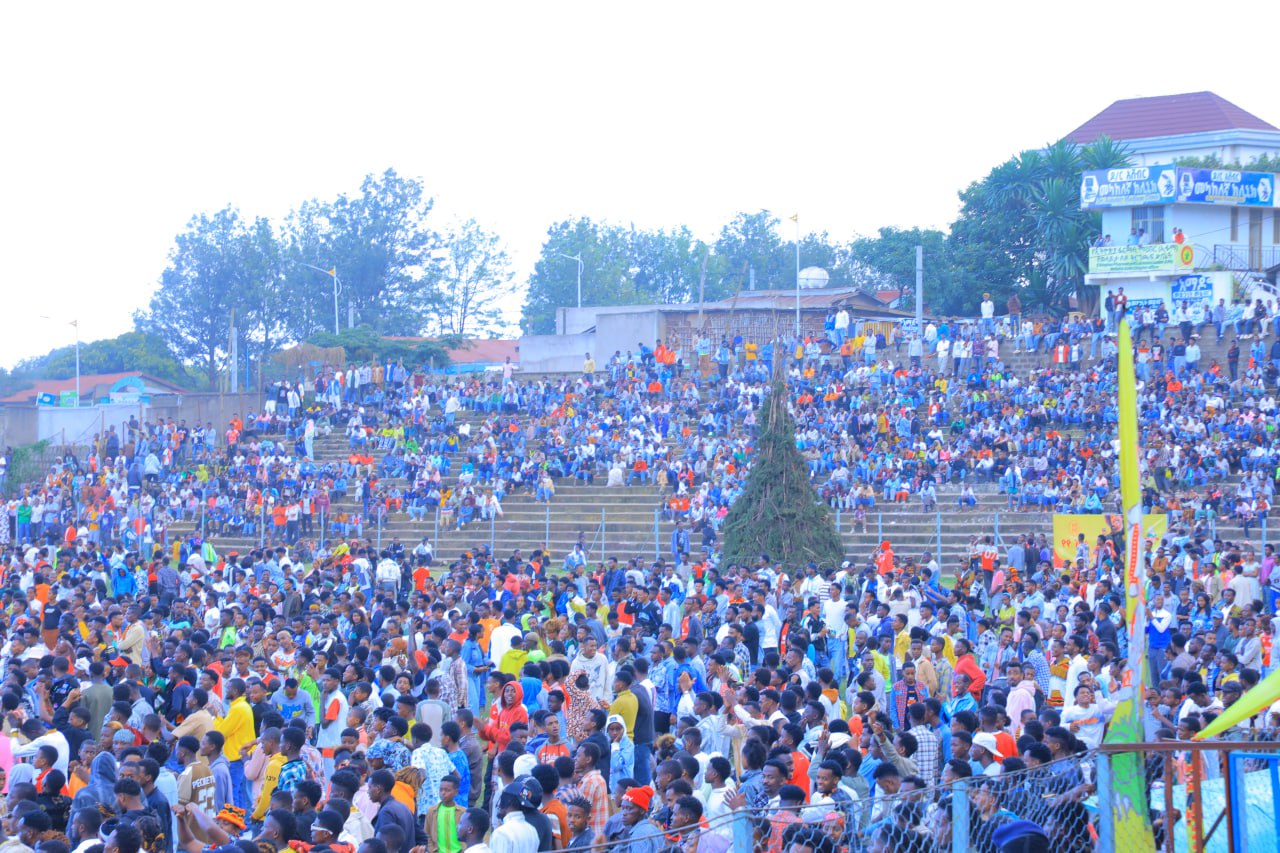
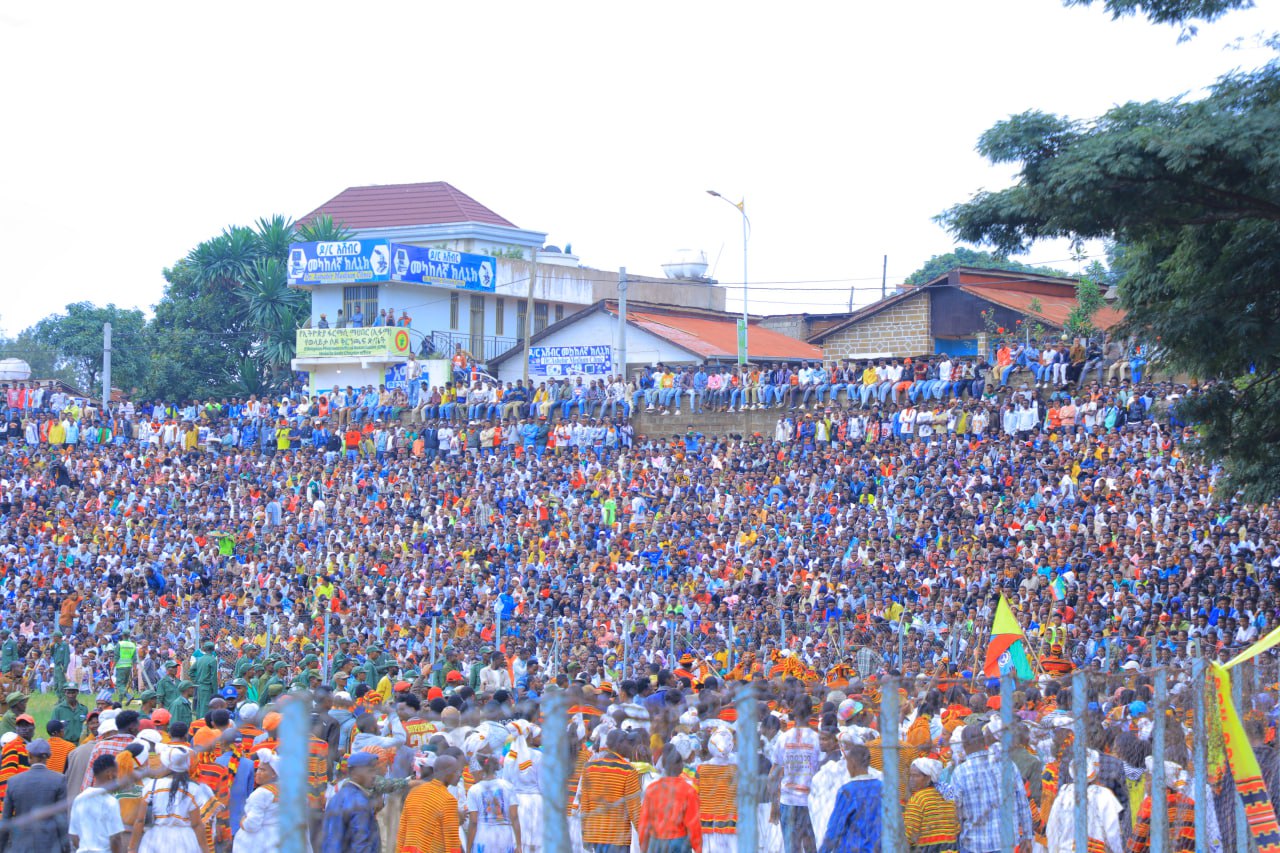
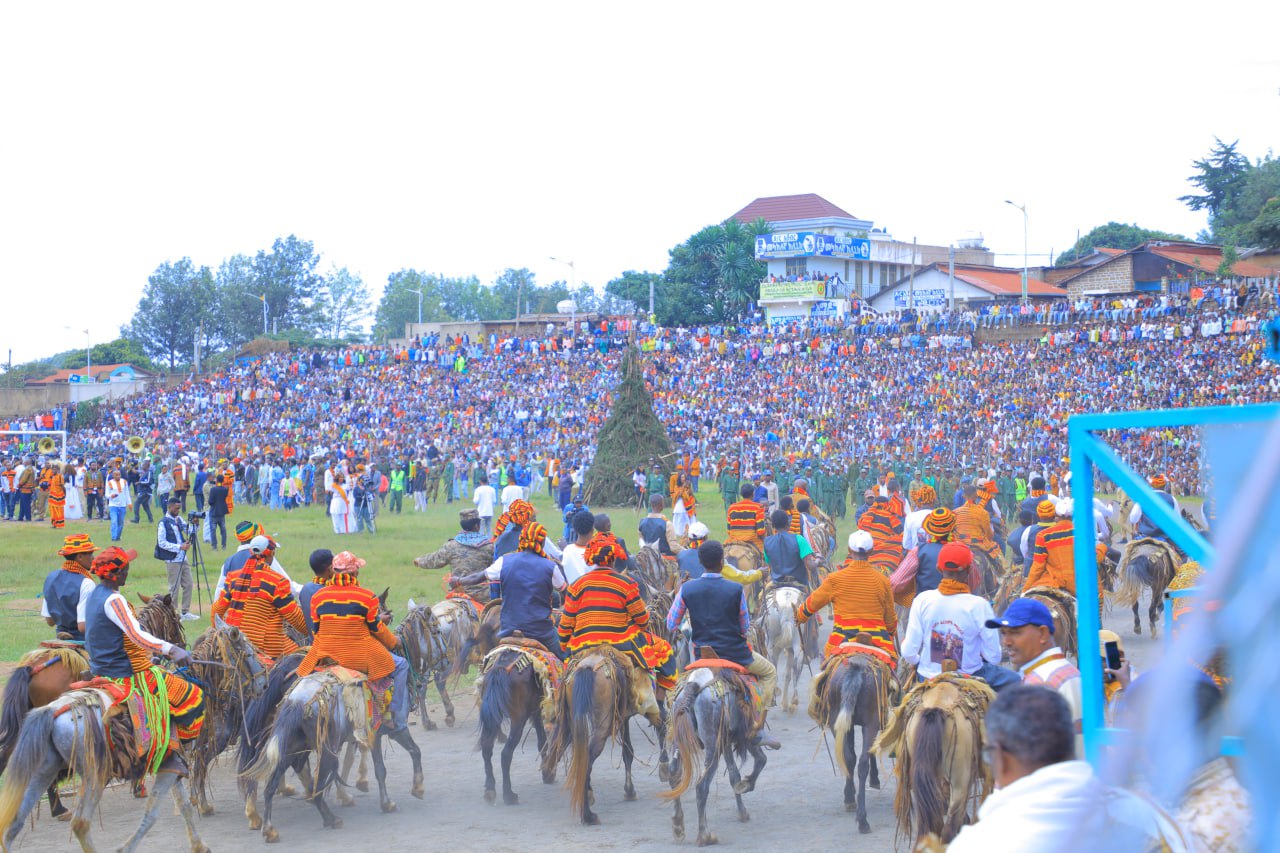
At the 20th meeting of the United Nations Educational, Scientific and Cultural Organization (UNESCO) Committee for the Protection of Intangible Cultural Heritage, which is being held in New Delhi, India, the "Gifata" festival of Wolaita, which Ethiopia proposed to be registered as a world heritage, has been registered under the list of human intangible cultural heritage.
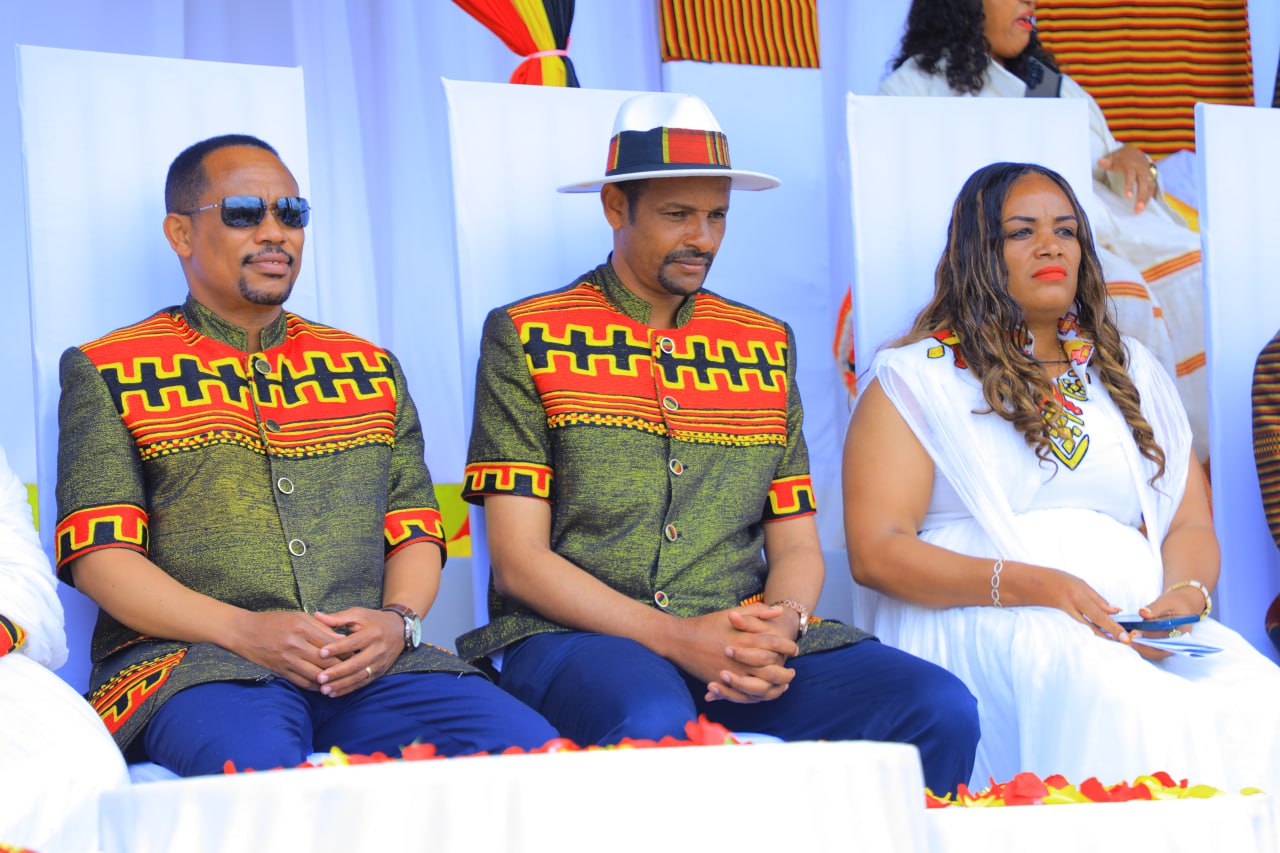
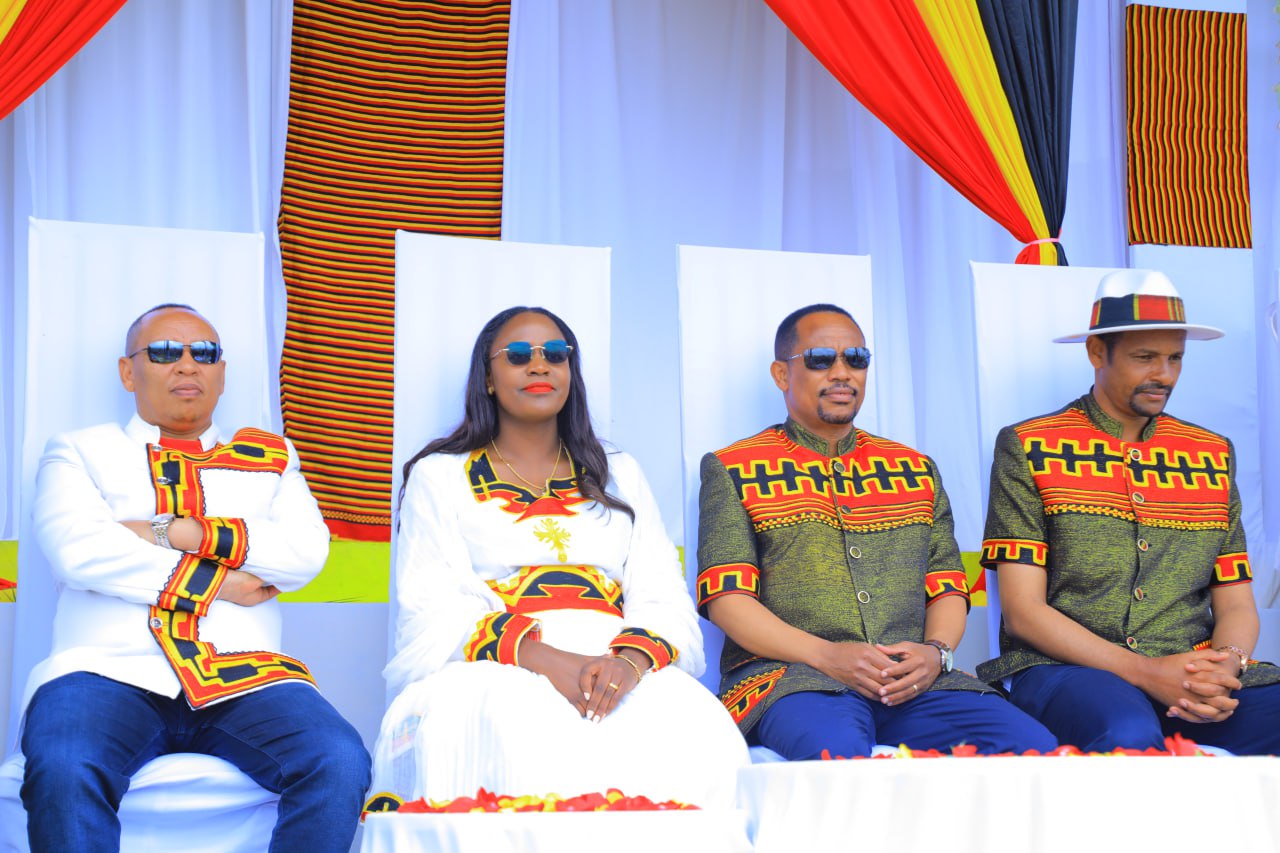
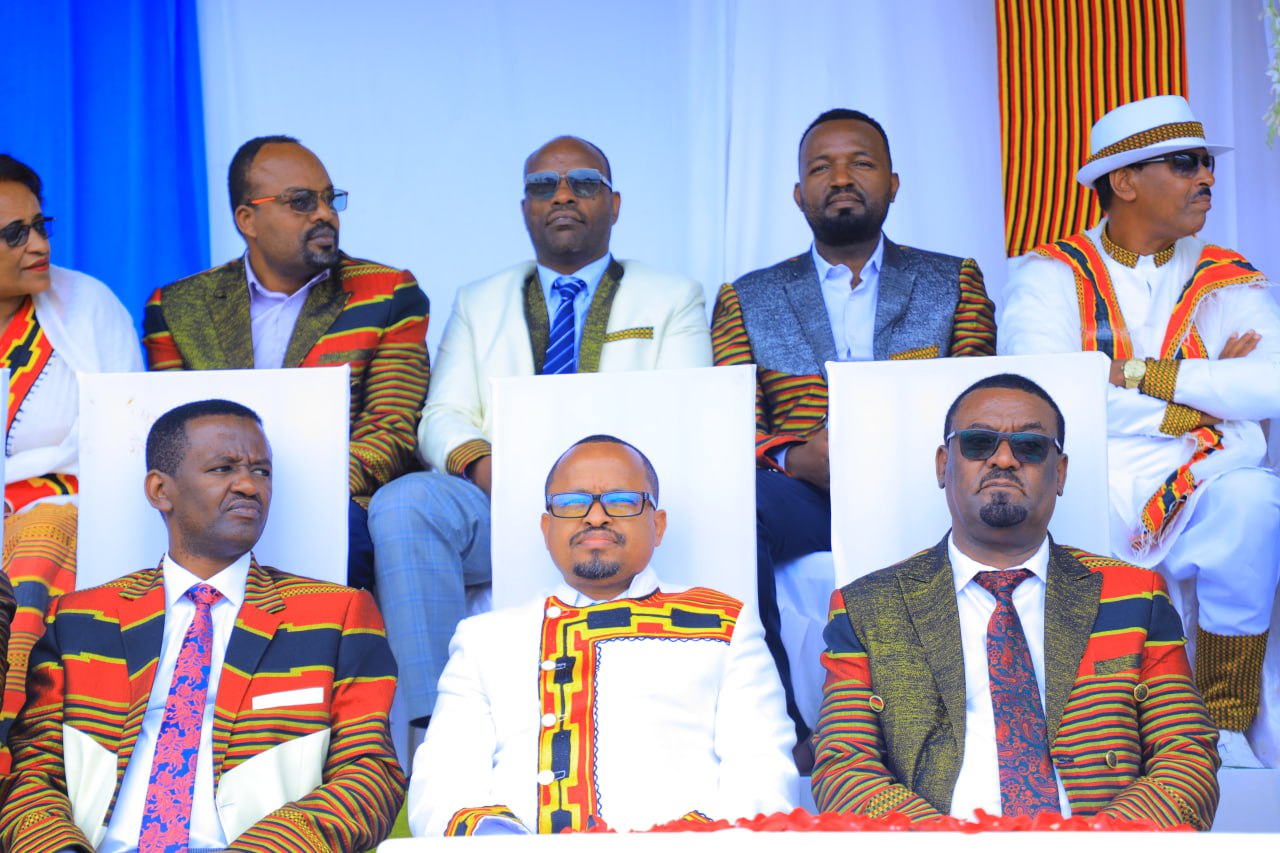
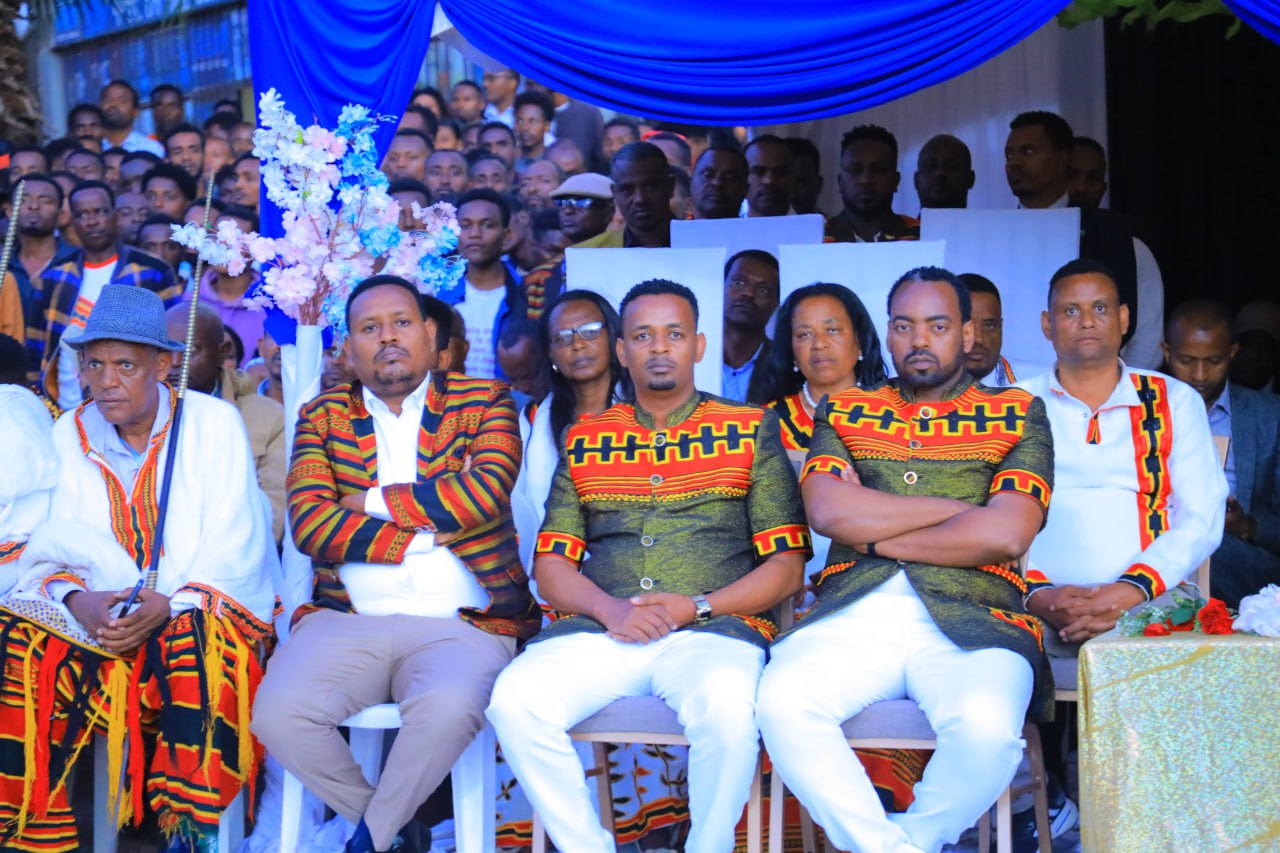
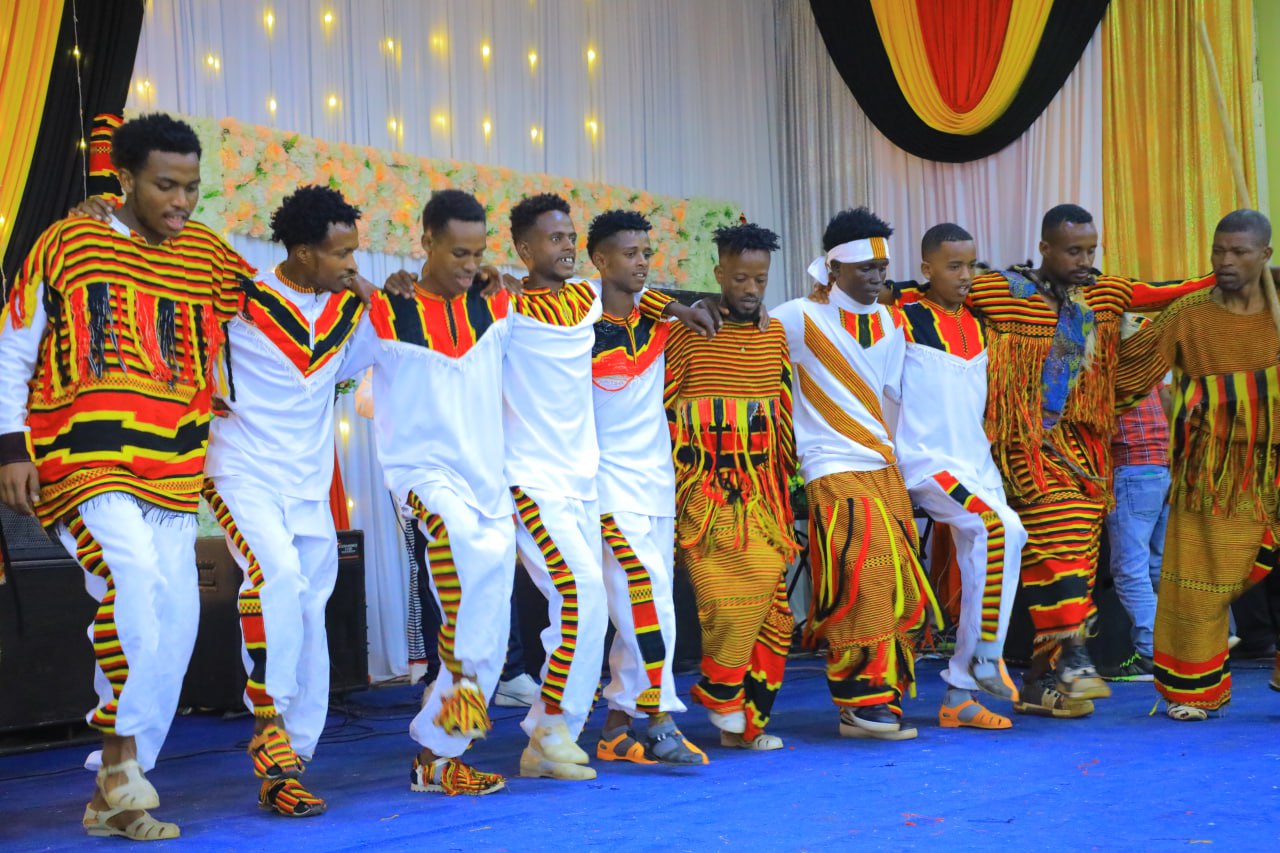
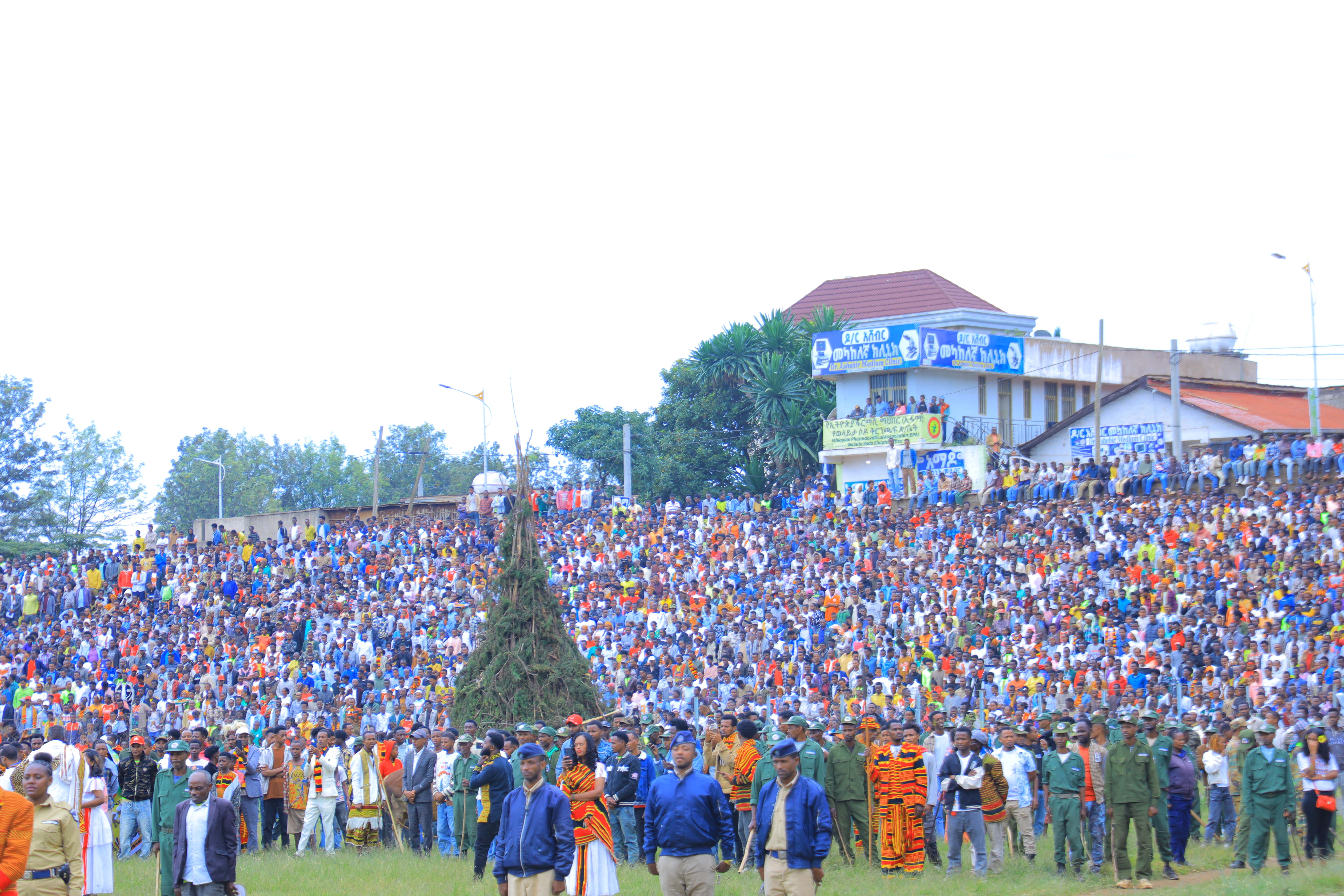
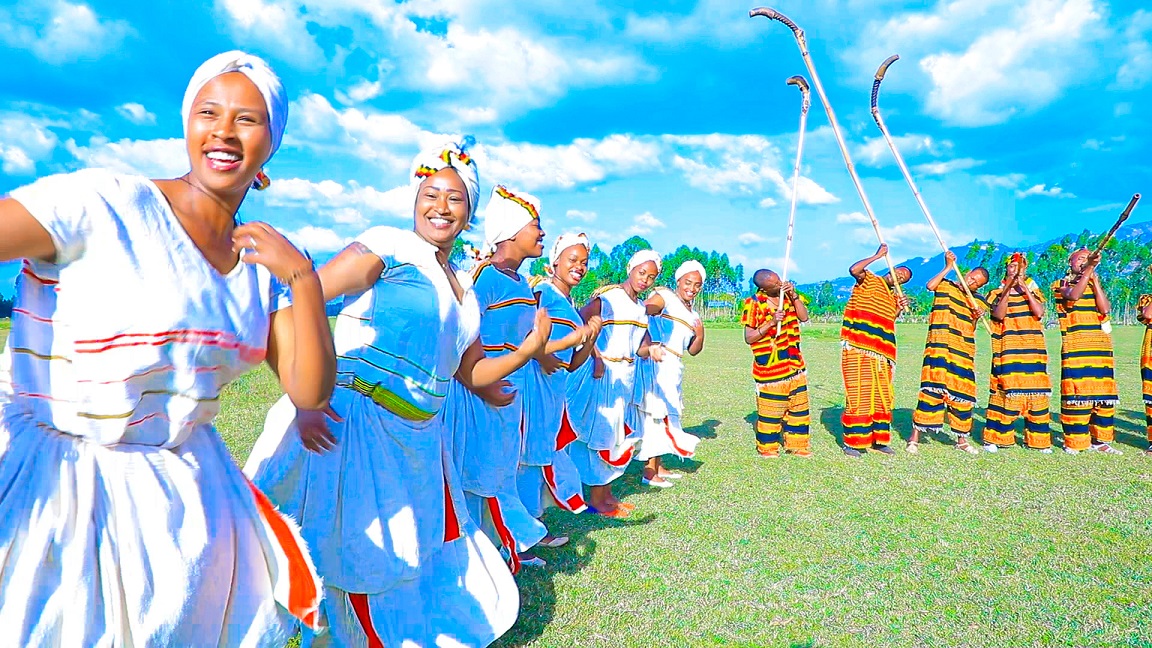
"Gifata" is a great festival that is of great importance to the people of Wolaita, and it is a transition festival that marks the end of the old year and the beginning of the new year.
Gifata, regardless of age, gender, religion or other social status, contributes to peace and social order for all and encourages universal activities that include the sectors identified by UNESCO, which allowed it to be registered as a world heritage.
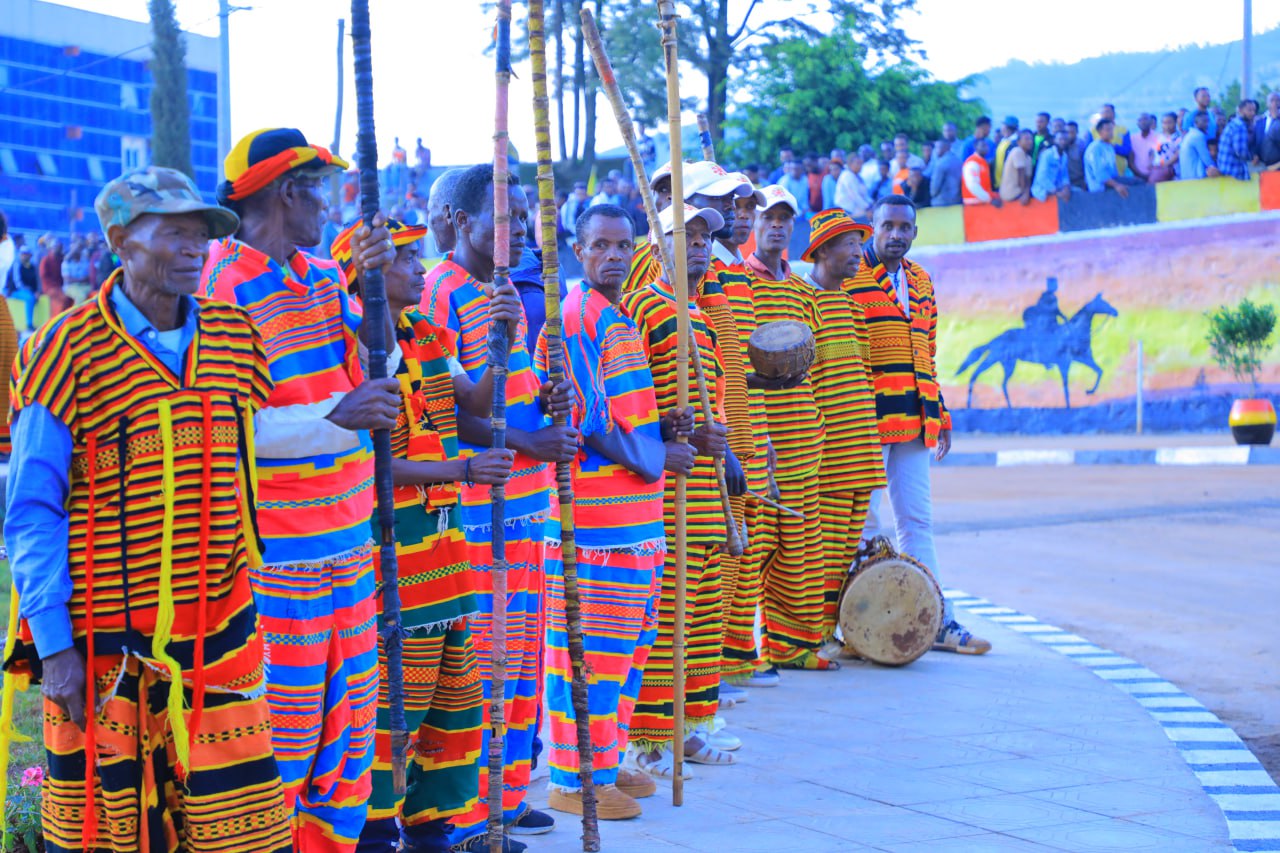
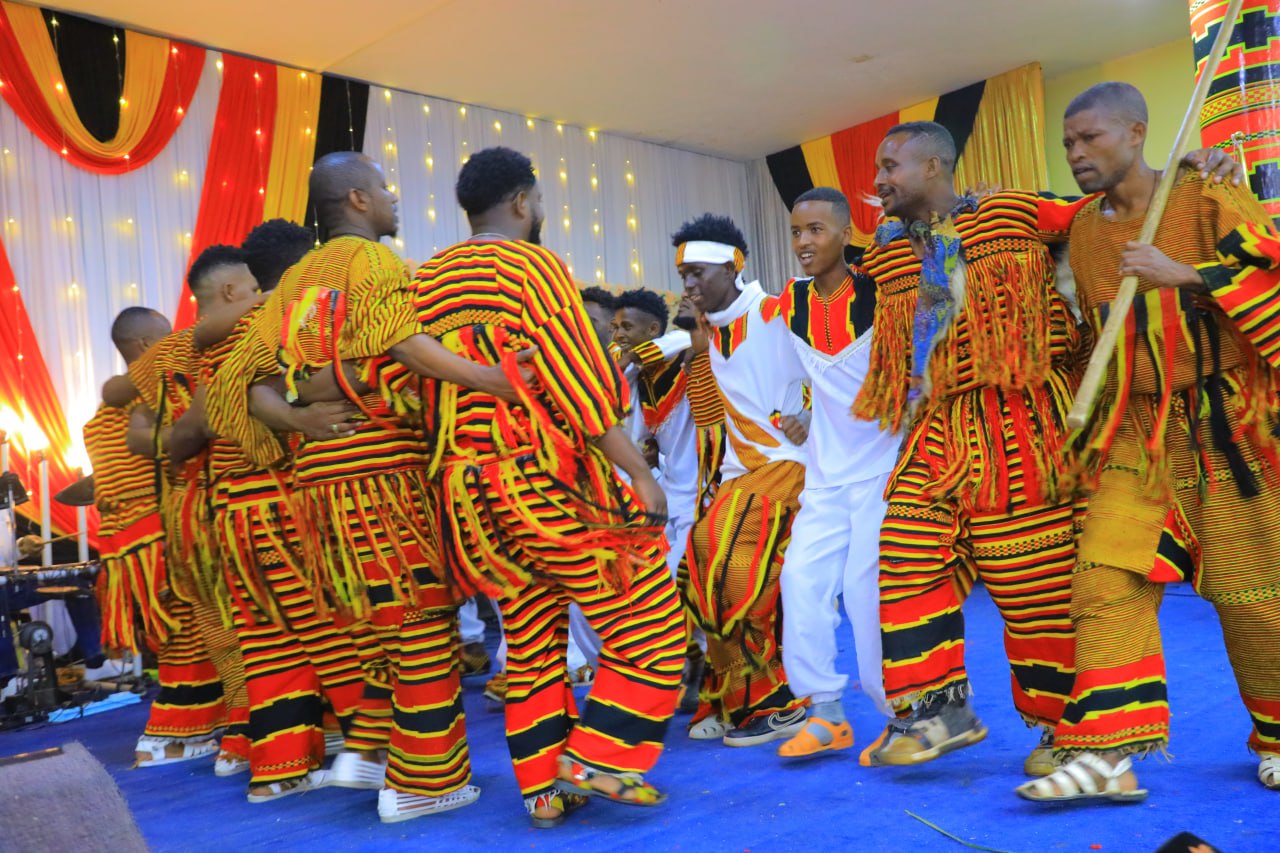
Gifaataa is a cultural festival celebrated by the Wolayta people in the Southern Region of Ethiopia within Wolayita Zone.
This festival is celebrated each year in September.
In this celebration, the Wolayta accept the New Year and send off the old one.
Gifaataa means, "the beginning," and is also considered the bridge from old to new, dark to light.
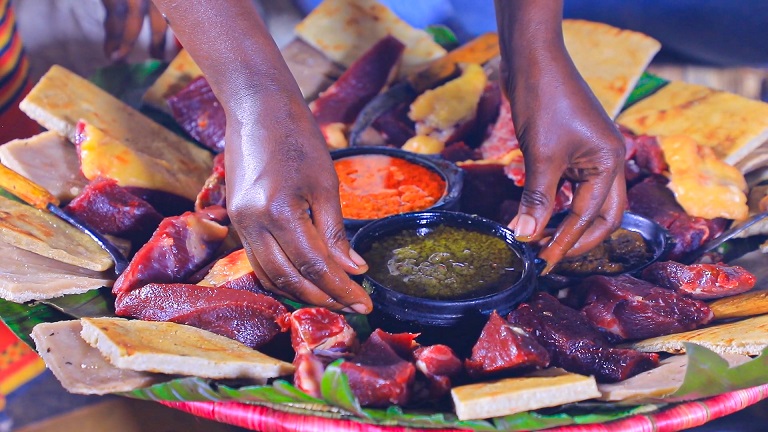
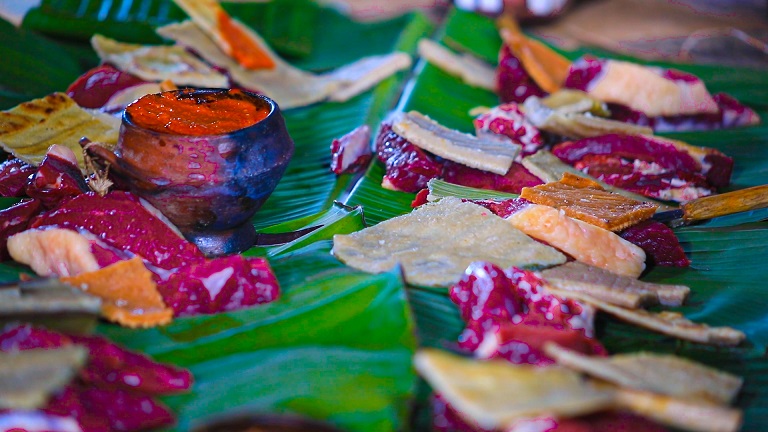
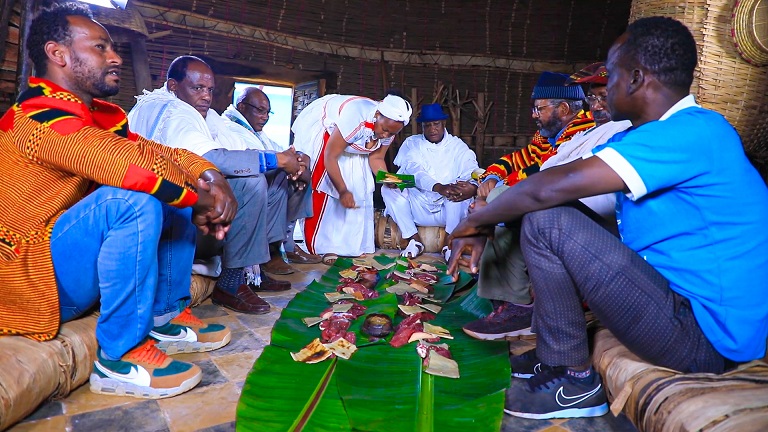
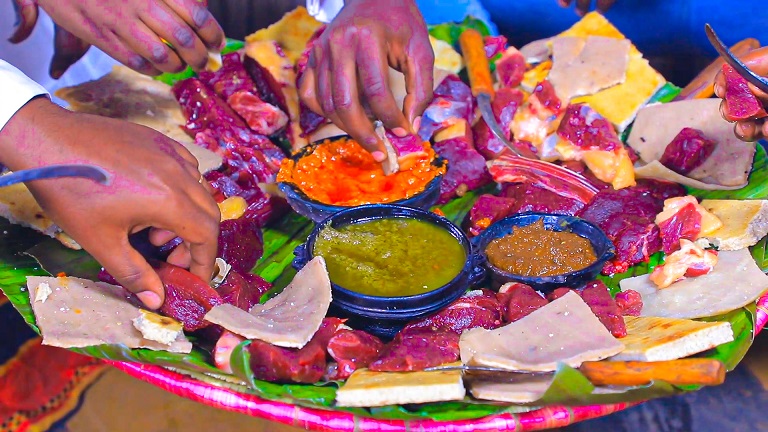
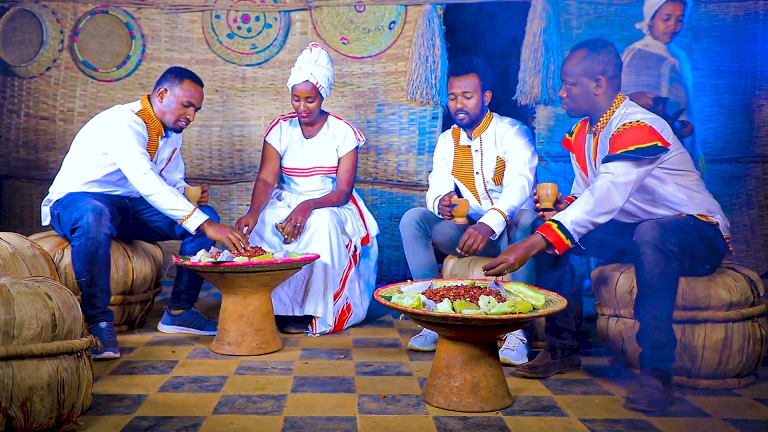
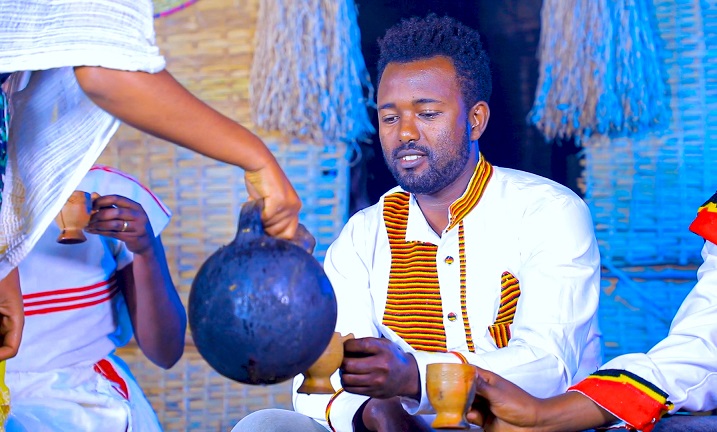
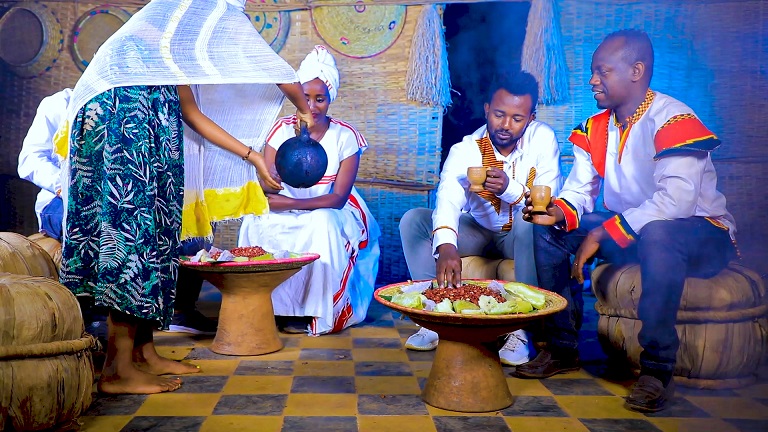
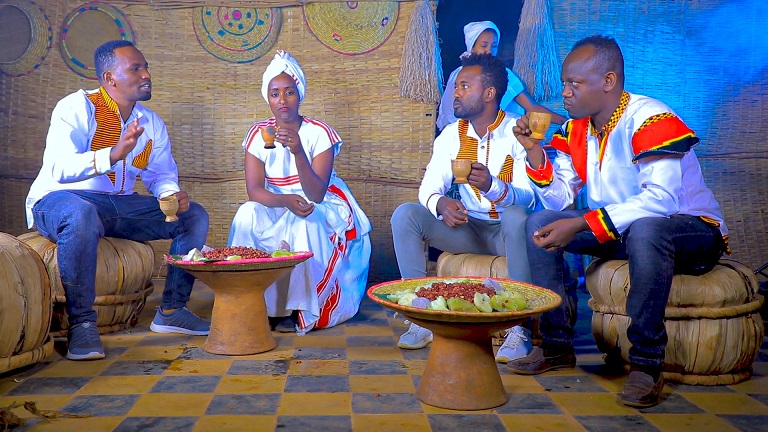
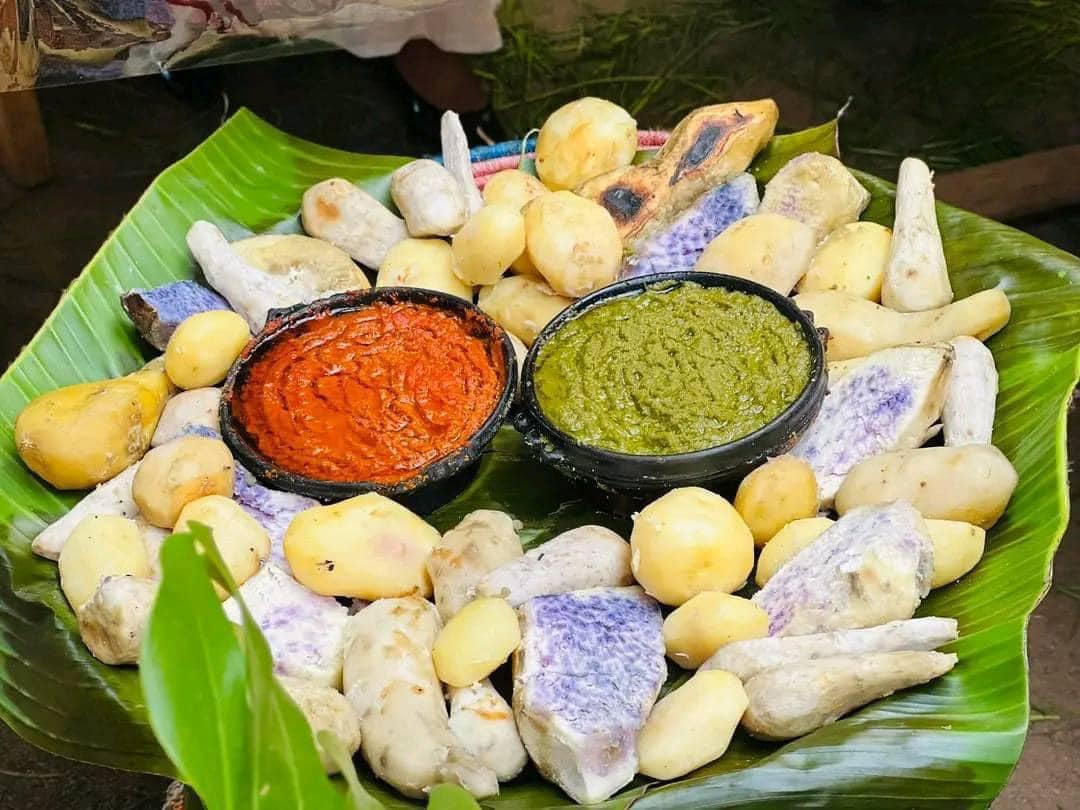
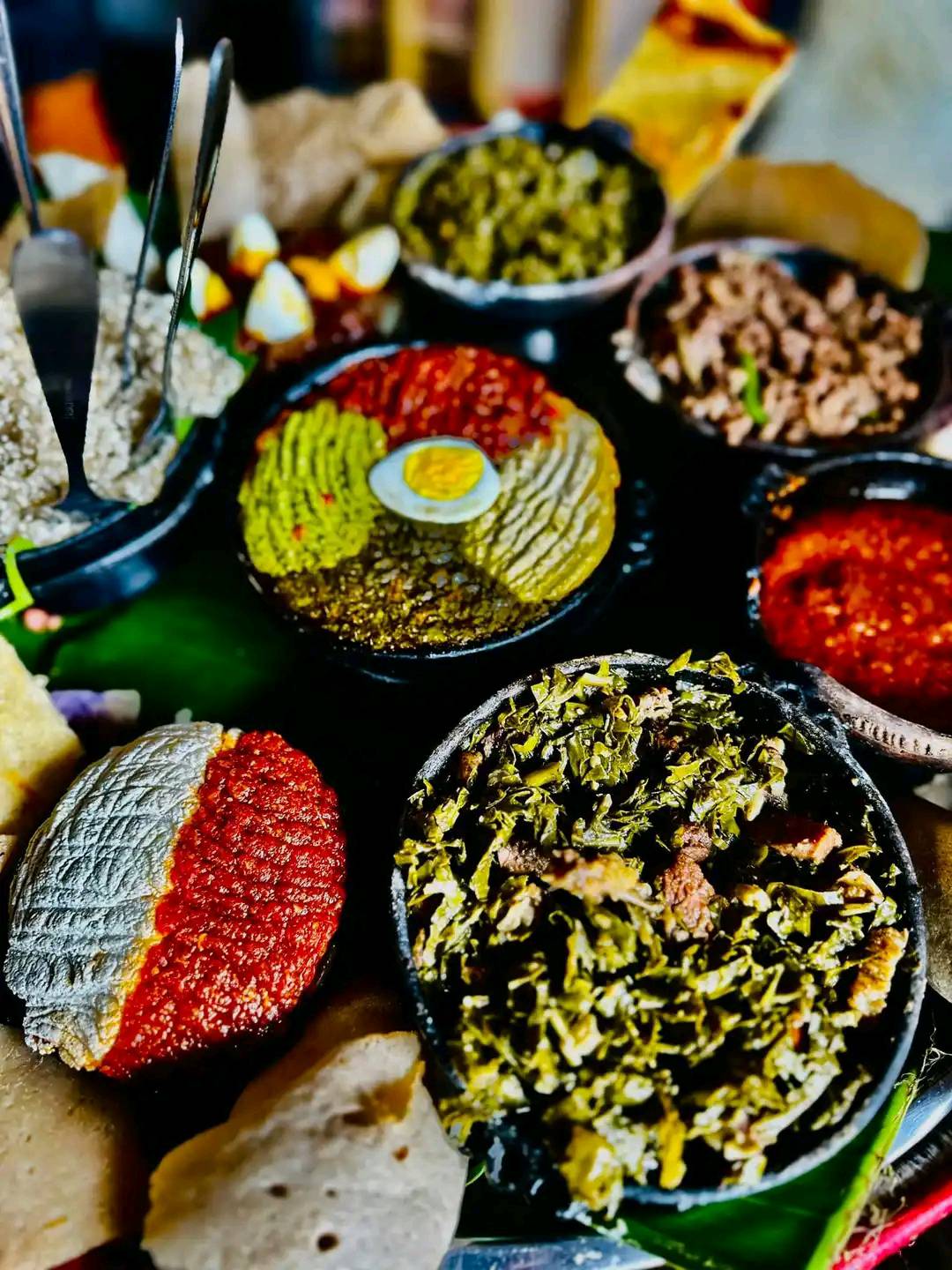
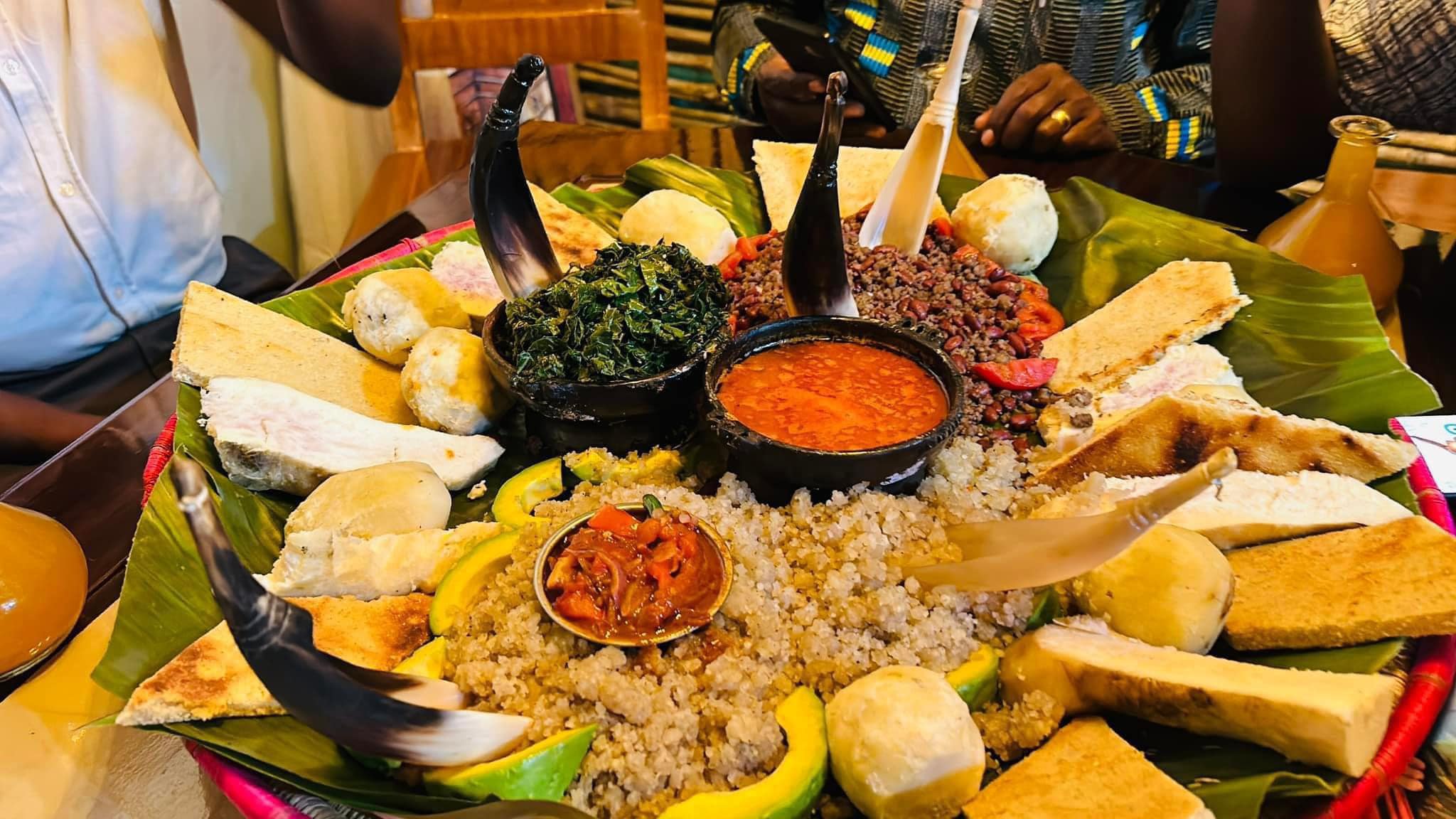
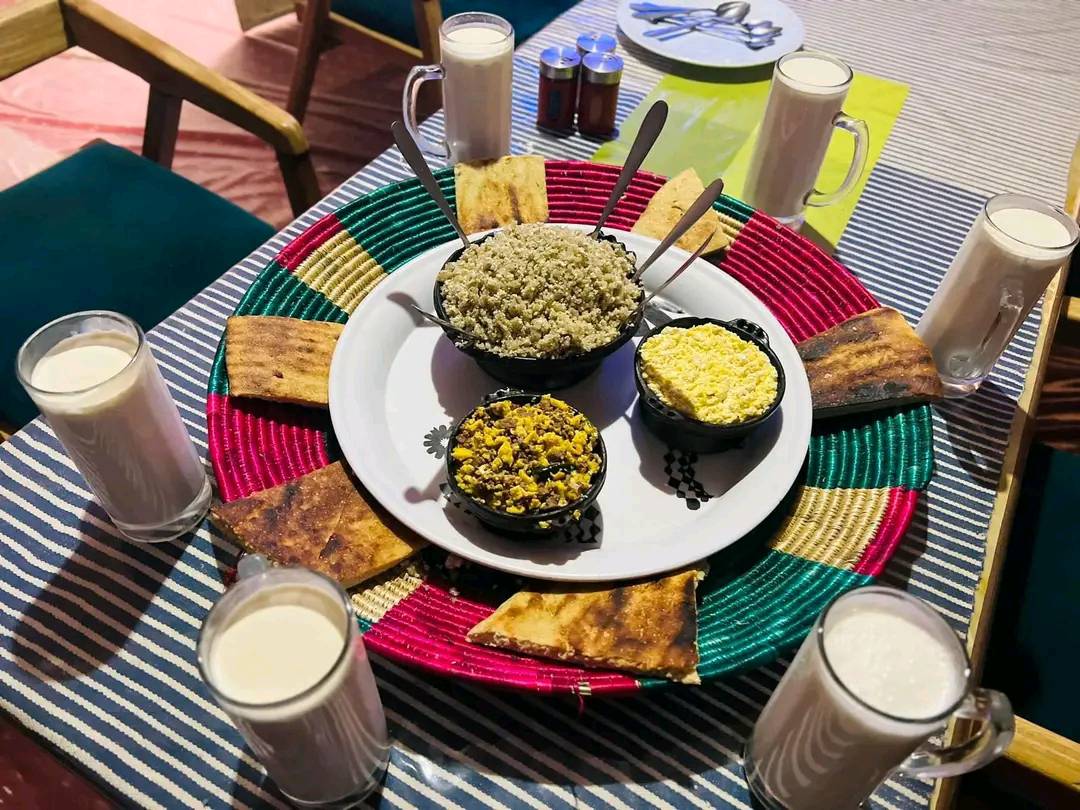
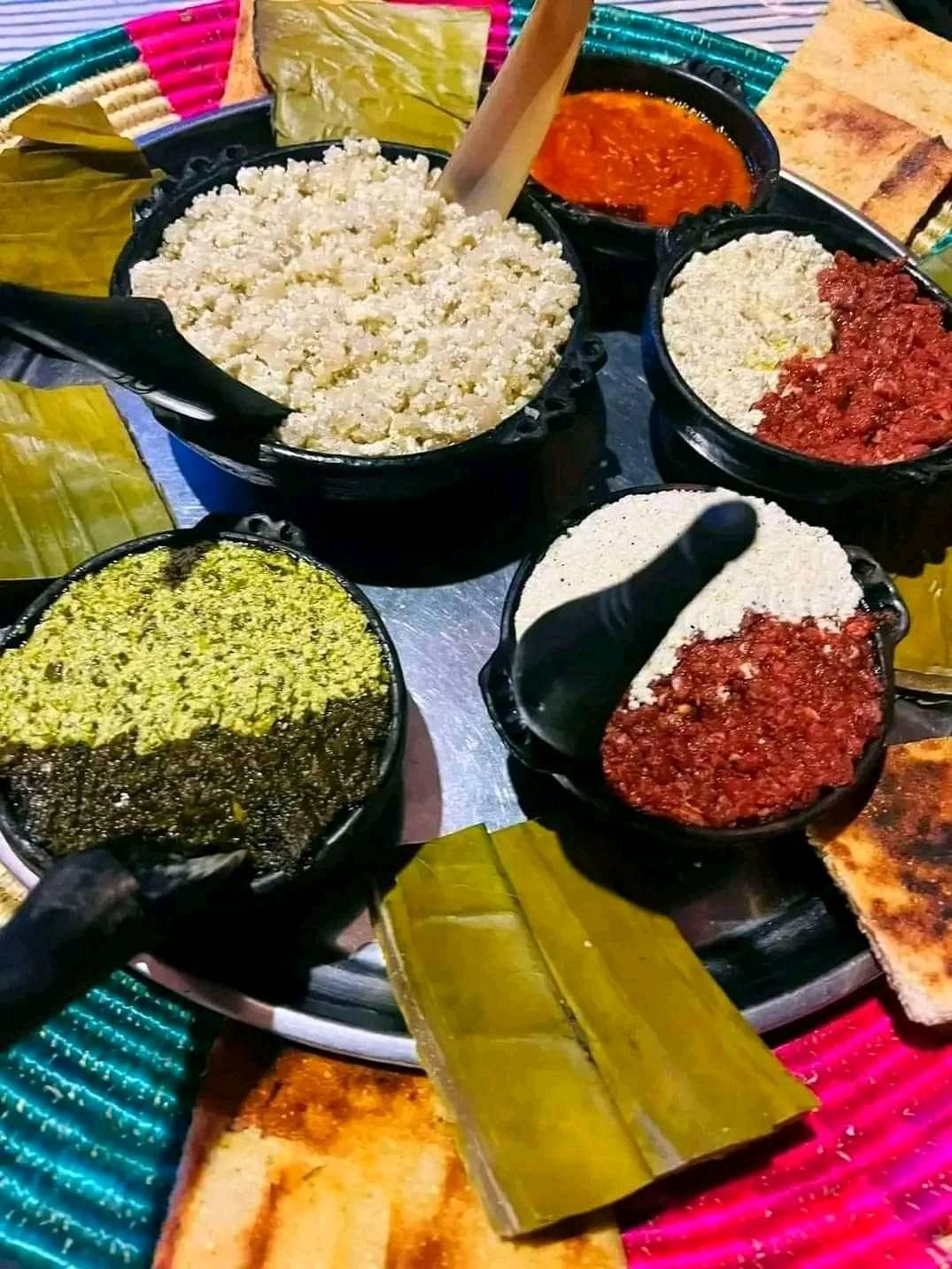
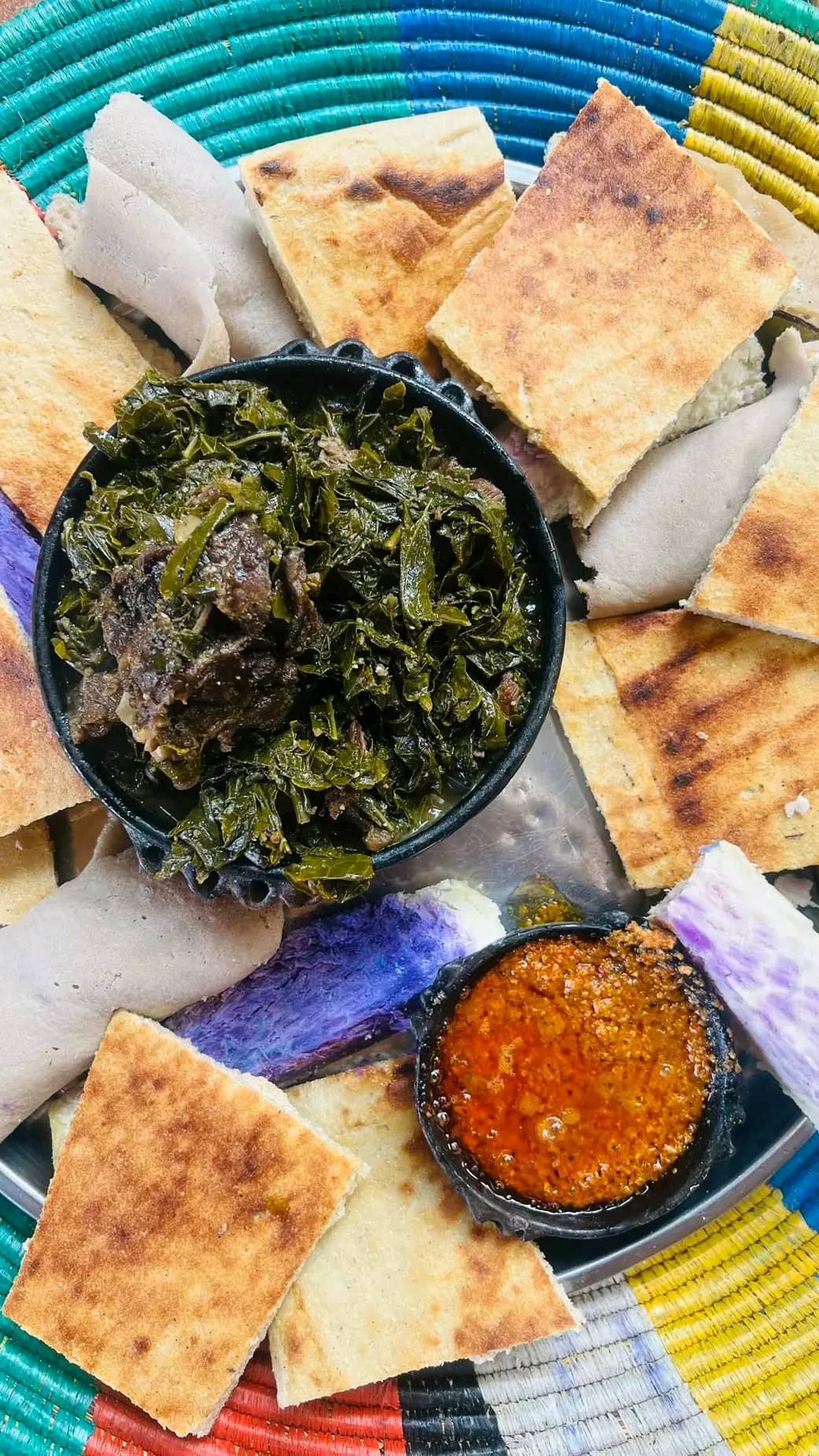
During Gifaataa, the Wolayta dance and enjoy cultural foods.
The significance of Gifaata is to eliminate issues of the past and start afresh, reconciling past quarrels and strengthening family and community ties moving forward.
The royal advisers summoned to the palace by census experts, when the old year draws to a closer.
Then, the royal advisors go out at night to determine the roots of the lunar cycle, the four parts of the moon: i.e. (poo'uwa, xumaa, xeeruwa, Goobanaa) and come with the numbered signs of the year and observe the full moon cycle and announce it to the king and his advisers.
After telling the king exactly the date, they return home with a reward, and the king's approach to the festival will be told to the people by proclamation at the market and public meetings.
Gifata








Visit Wolaita
Cultural
Heritage
Slide left or right to see more
Wolaita Nation's New Year Gifata Festival
Wolaita Nation's New Year Gifata Festival is a New Year's Day for the Wolaita Nation to welcome the old year. In the past, it is known that there are traditional calendar sages who identify the new year's day by thoroughly researching the movements of the moon and the stars as the old year draws to a close. These sages are invited to the palace by the king's advisors as the festival approaches. Then, going out night after night to find out the origin of the moon cycle, they bring the signs of the year according to the four parts of the moon, namely (Poua, Tuma, Tira and Gobana) and observe the full cycle of the moon and report to the king and his advisers. Then the astrologers return home after telling the king the exact date of the festival. Next, the king announced the approach of the festival to the people by "Bala Odua" (proclamation) in every market and public meeting place. This festival has been under a lot of challenges due to the social and political influence it has received in different eras, but now, due to the strong efforts of the people of Wolaita and the administration of the zone, efforts are being made to restore Gifata to its former glory. Among these, it is known that one of the works is to register the heritage as a representative heritage of mankind by the United Nations Educational, Scientific and Cultural Organization. It is known that the main goal is not to register the heritage as a world heritage. But we understand that this action is to lay an unshakable foundation for our work, which we plan to do for the permanent protection and care of the heritage. Yo Yo Gifata!
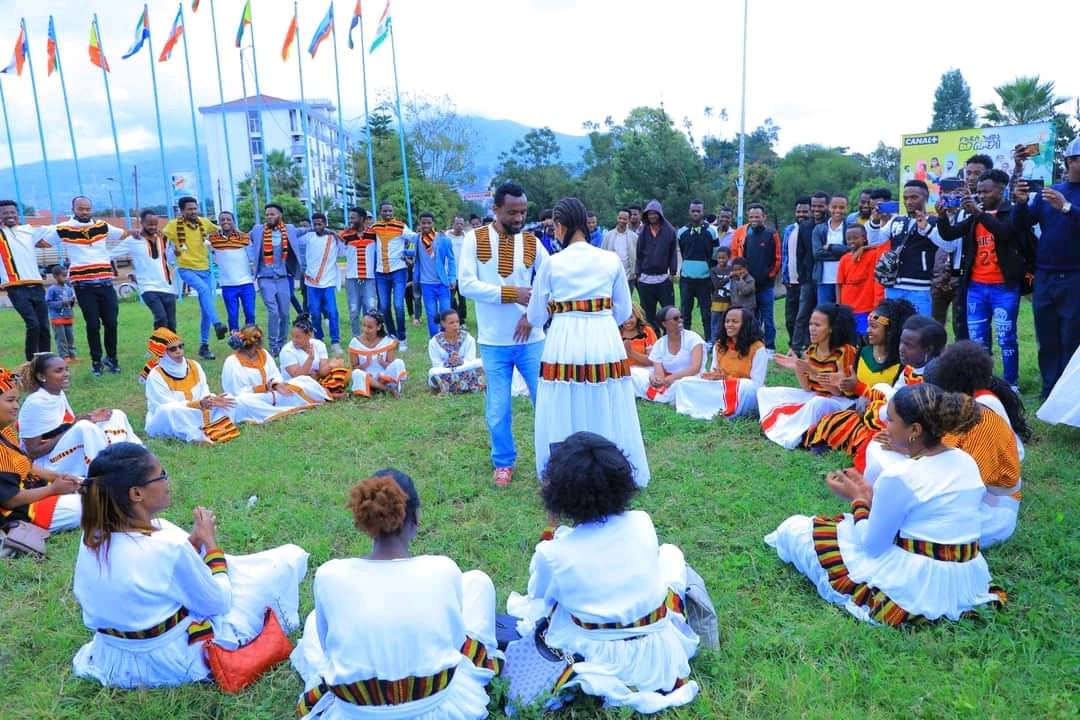
Gaze game in Wolaita
When the Gaze game is held in public, which is a manifestation of youth's beauty
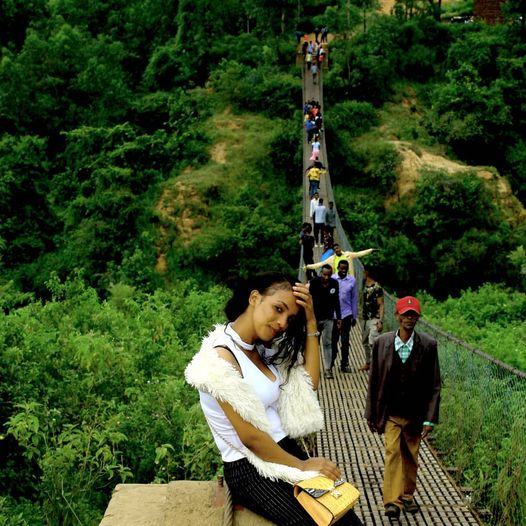
Suspension bridge
Suspension bridge , Bedessa - Damota woyde- Wolaita.
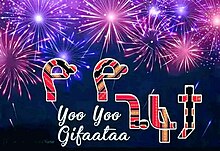
Calendar used by the Wolaita
Although studies suggest that the Wolaita calendar is calculated by the moon and the sun (Lunosolar), many sources indicate that it has been calculated by the moon since ancient times. Gifata is also a festival of change of era of Wolaita. Gifata means the first month of the new year. Gifata will be celebrated this year on the 12th September Symposium and 13th Sunday, Geb Stadium according to the Wolayta calendar.
According to this formula, this year's Wolaita nation's era change will be on Sunday, September 13/2016.
(Gifataa 1/2016 M.L)
Division of one day (24 hours).
Bakkaaliyaa 12:00 AM
Maallado 12:00-1:00 AM
Guru 1:00-4:00 AM
Poo7o 4:00-6:00 AM
Gallaassaa 6:00-9:00 AM
Omarissaa 10:00-12:00 AM
Lenkkilenkkaa12:00-1:00 PM
Qammaa 2:00-6:00 PM
Bilahiyaa 6:00-7:00 PM
henqelleelaa 6:00-8:00 PM
Hekka blahiyaa 9:00-10:00 PM
Wontimaattaa 11:00-12:00 AM
Dividend of one month (30 days/four markets).
. . .
Koyro giya-Xuma ceggenaa the first week of the month
Naa"antto giya-Xeero ceggennaa in the second week of the month
Heezzantto gita-Poo7o ceggennaa in the third week of the month
Oydantto giya-Goobana last week of the month
Divide by one year (in four periods/12 months).
Four core seasons
âž–âž–âž–âž–âž–
Offinttaa
Boniyaa (Summer)
Baddheesa (Autumn)
Balgguwaa (winter)
12 months + Pagumi
âž–âž–
1. Gifaata ➢ September
2. Gouluwaa ➢ October
3. Baraataa ➢ November
4. Duubbalaa ➢ December
5. Shachchaa ➢ January
6. Longgiyaa ➢ February
7. Bullaalaa ➢ March
8. Gabbaa ➢ April
9. Laabooshaa ➢ May
10. Guuliyaa ➢ June
11. Caljjuwaa ➢ July
12. Kuushshaa ➢ August
13. Nuucoo ➢ Pagume
saamintta galassata
1. Saagaa Monday
2. Ciishshaa Tuesday
3. Wolillaa Wednesday
4. Shaagaa Thursday
5. Biizzaa Friday
6. Qeeraa Saturday
7. Woogaaa Sunday
Yoo Yoo Gifaataa!!!!
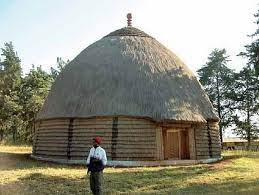
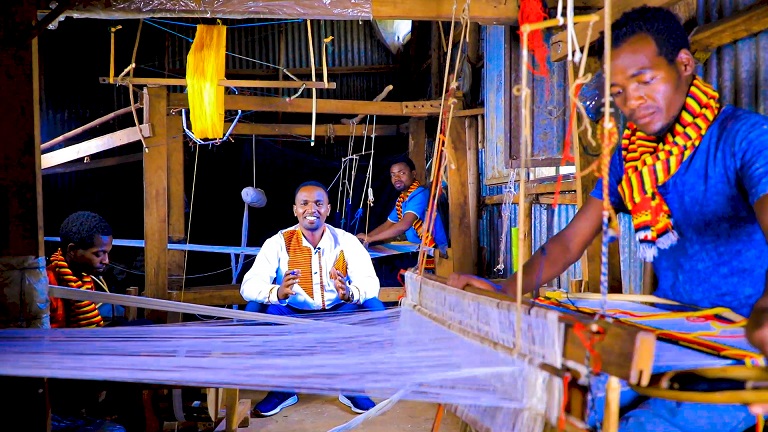
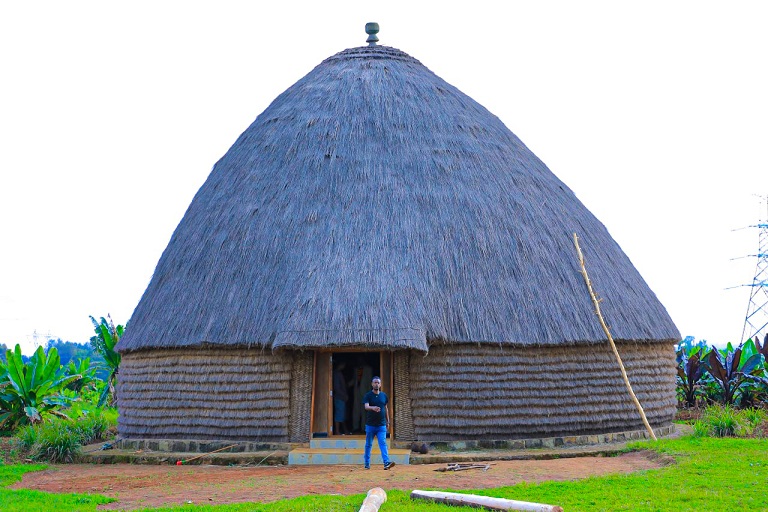
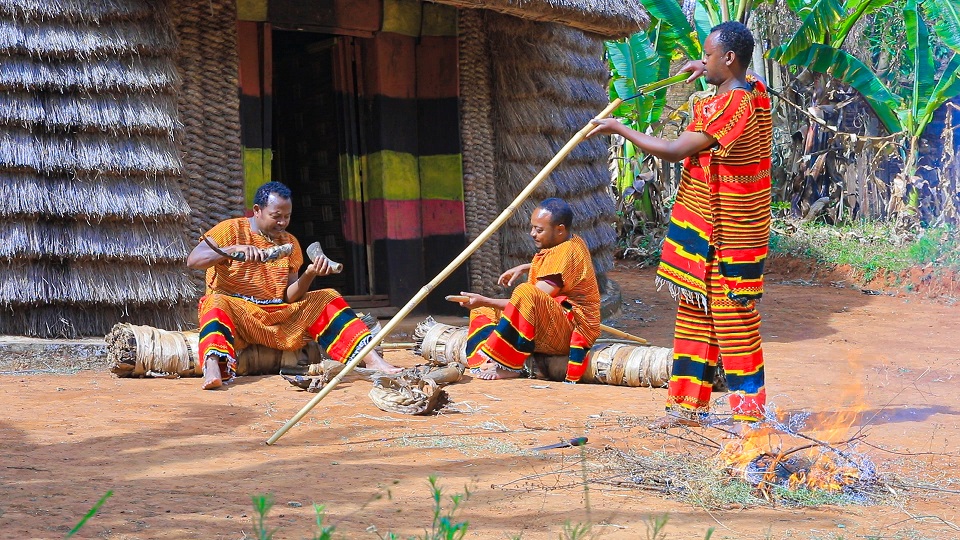
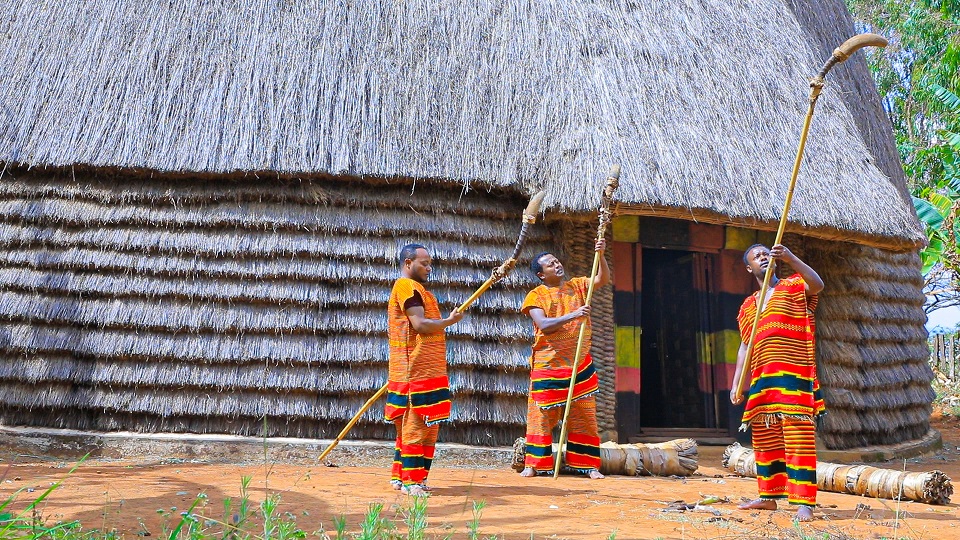
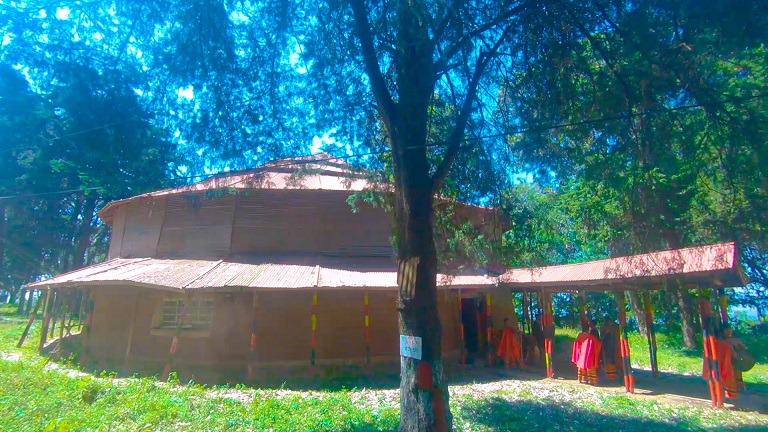
Wolaita's Traditional hut
.
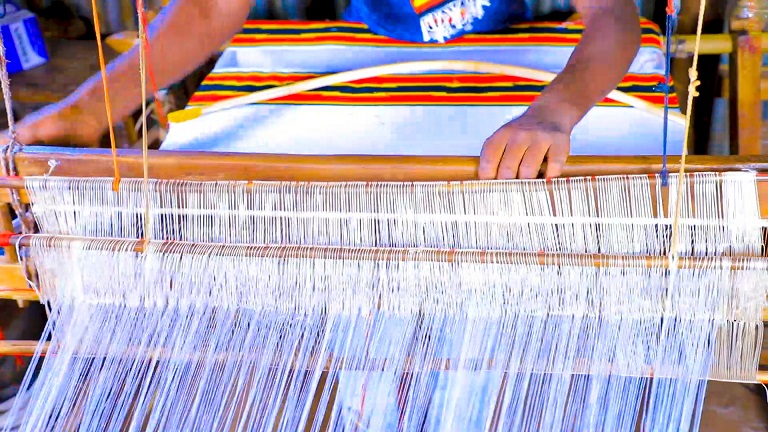
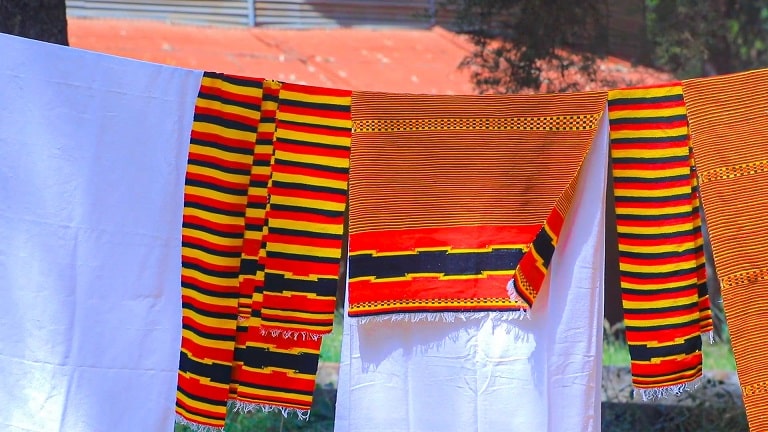
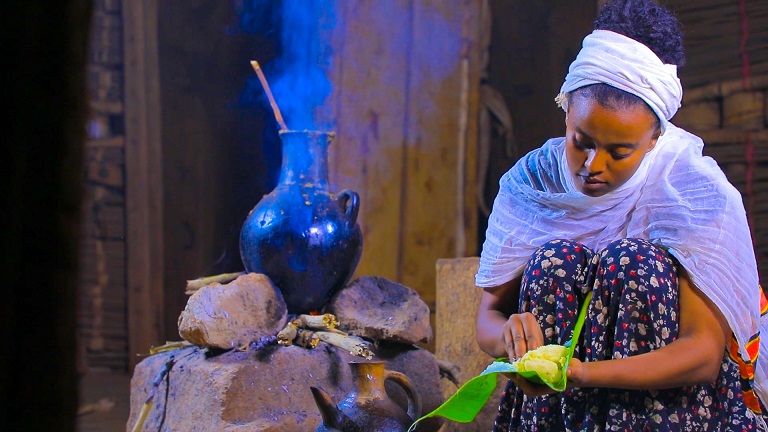
Our Culture
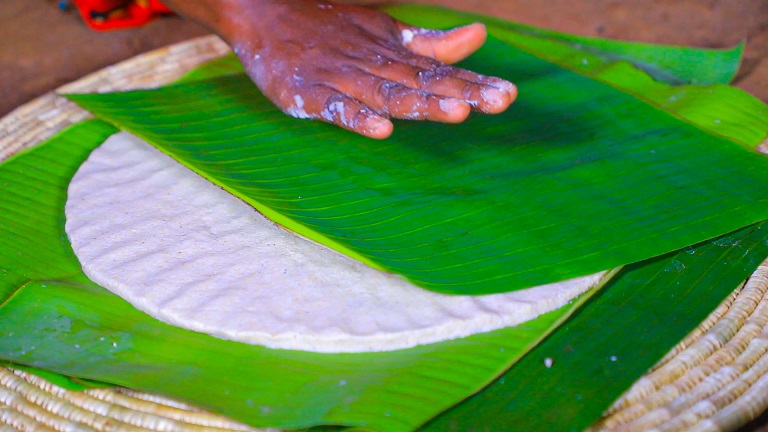
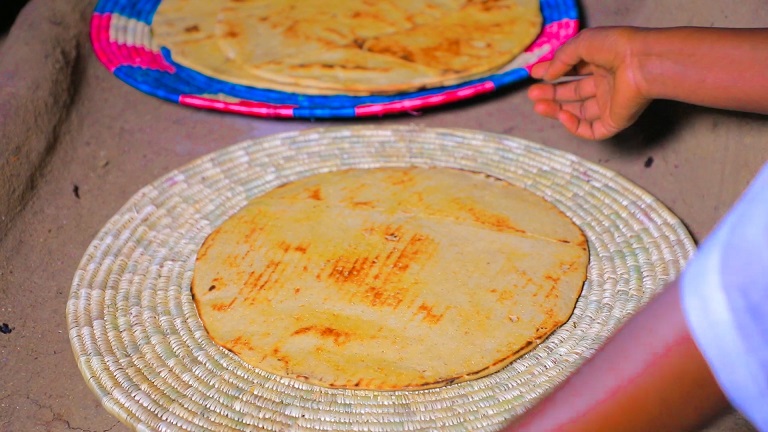
Visit Wolaita
Historical
Heritage
Slide left or right to see more
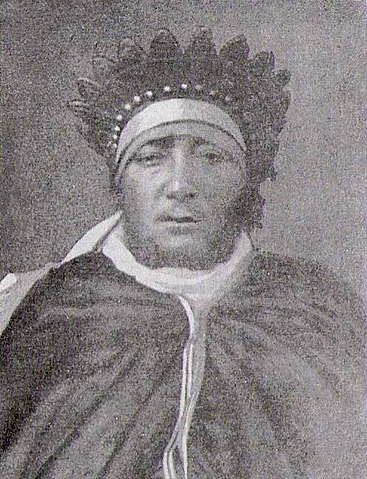
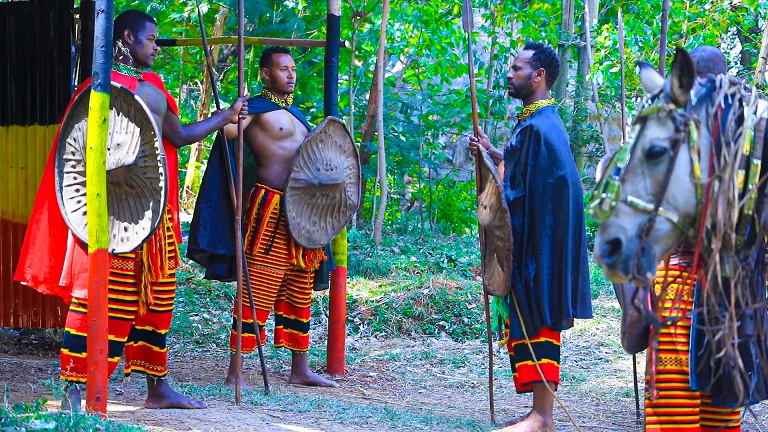
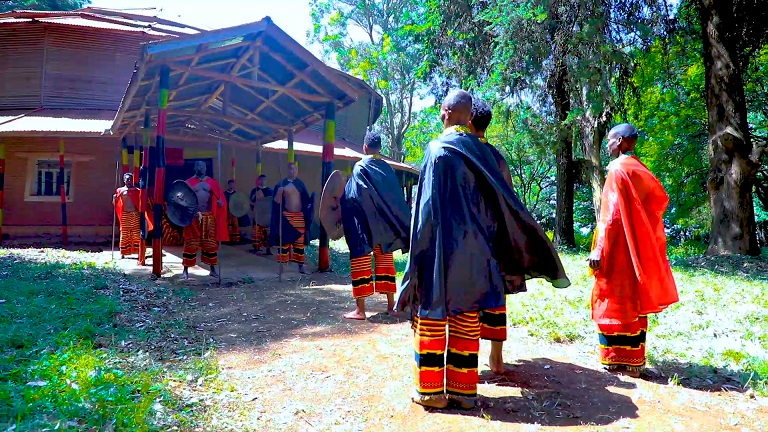
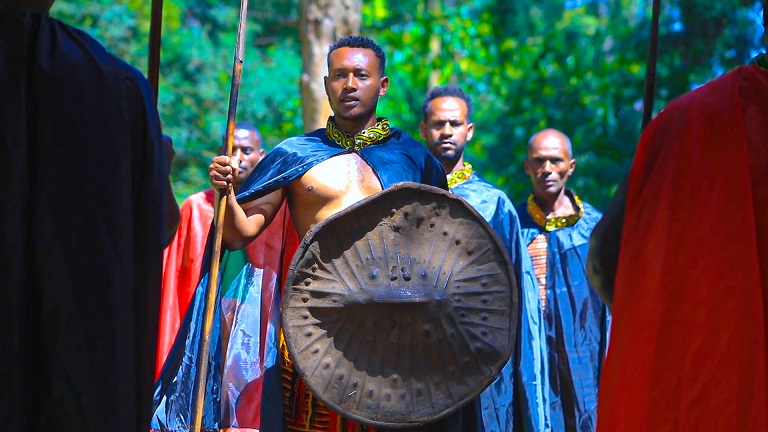
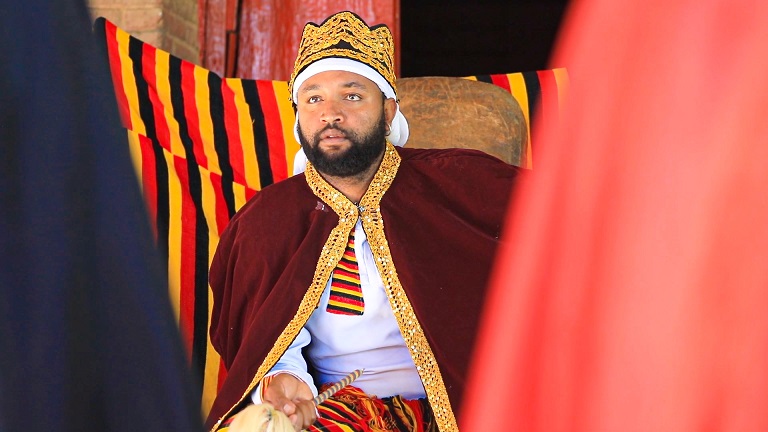
Kawo Tona Gaga
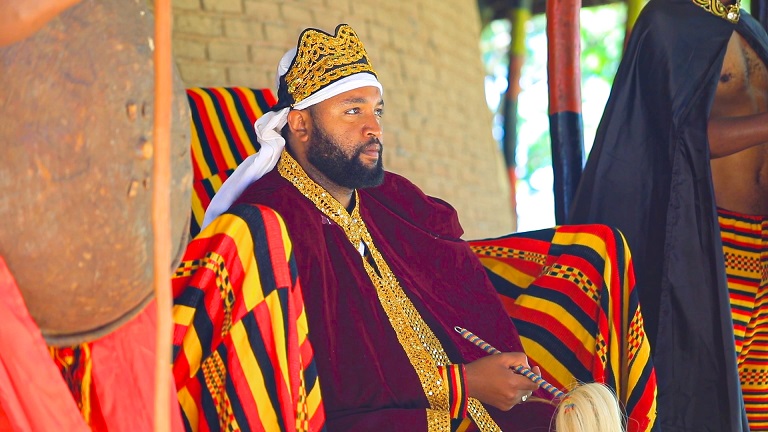
Kawo Tona Gaga was the last and most powerful king of the Kingdom of Wolaita. Tona Gaga was the 17th Kawo, or king, of the Tigre dynasty, the last independent dynasty of the Wolayta people.
Upon succeeding his grandfather in 1890 he quickly built ties with the Kingdom of Jimma, a tributary of the Ethiopian Empire, marrying the daughter of Abba Jifar II. However, he refused to pay tribute to Shewa (unlike his predecessors, who were more of diplomats than warriors.) He then tried to draw the smaller Omotic Kullo and Konta into his orbit as client states, however, Menelik's cousin Wolde Gyorgis successfully campaigned through both. After six times failed protectorate attempt, Emperor Menelik II reached the border of Wolaita after a two weeks march from Addis Abeba, calling on the king to pay tribute and avoid the destruction of his kingdom. Tona prepared his fortifications and refused negotiation. Expertly dug defensive trenches and mounds crippled the initial assault, but Tona Gaga was eventually pushed out of his strongpoint and caught between the Ethiopians and Oromo auxiliaries sent by Abba Jifar II, who had betrayed Tona Gaga. After his capture in 1894, the ex-king was baptized as Tekle Haymanot and made the governor of his previous dominion. He would later assist Menelik II in multiple campaigns.
As some source reveals, as Menelik II failed to subdue the Kingdom of Wolaita, he had tried all his best to ask the Wolayita prisoners which were in prison at Addis Ababa, the secret behind the successfulness of the Tona's army and weakness of the army members. Using this secret as a weapon, Menelik II had gained a chance to fully control the Kingdom, though they continued to be ruled by their own king until the rise of Derg regime.
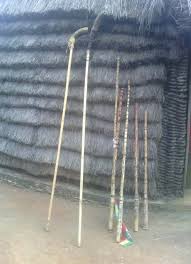
Dinkiya
Musical Instrument
Historical Values
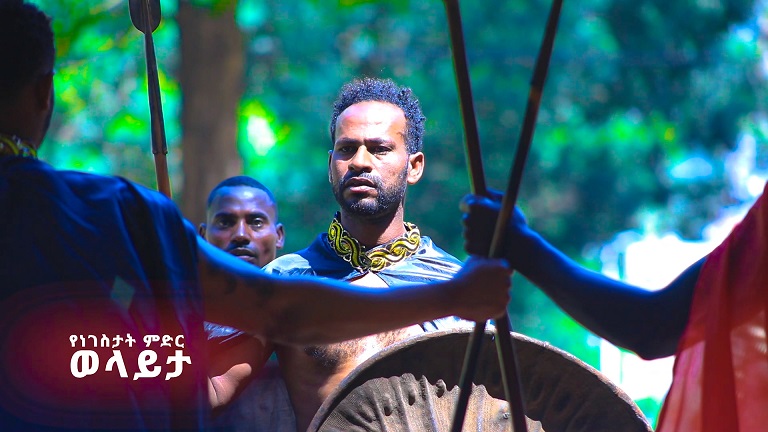
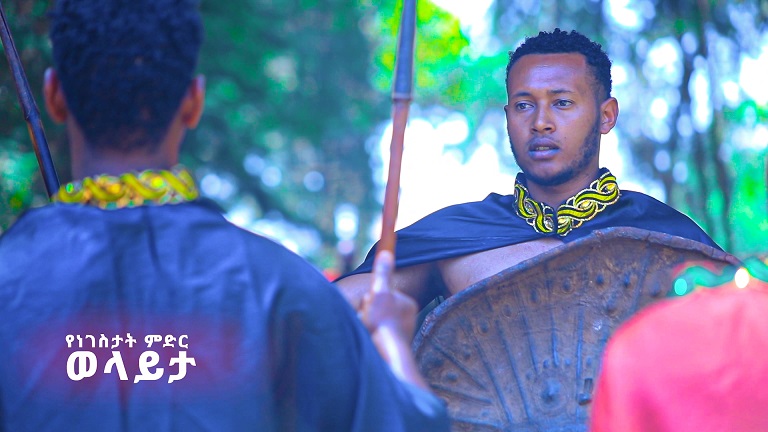
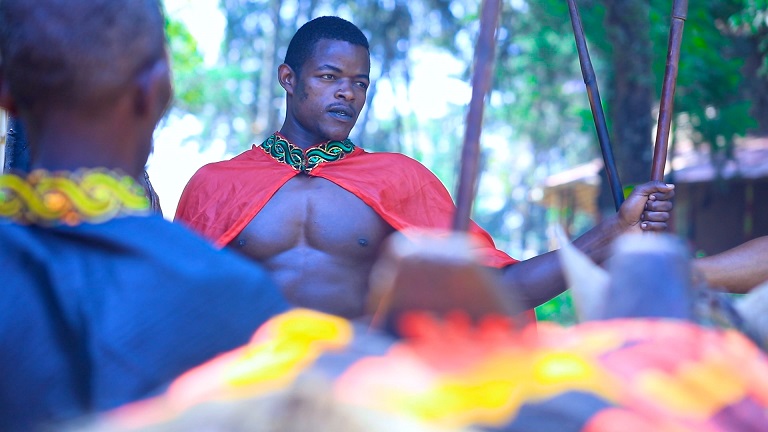
Visit Wolaita
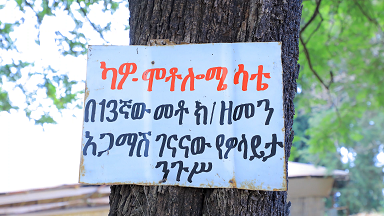
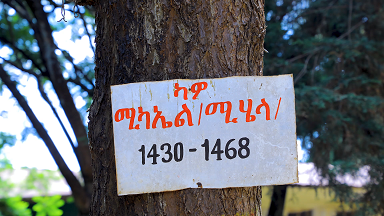
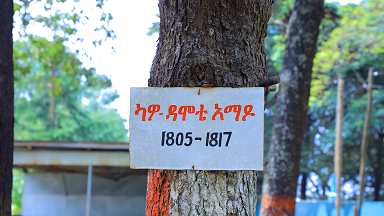
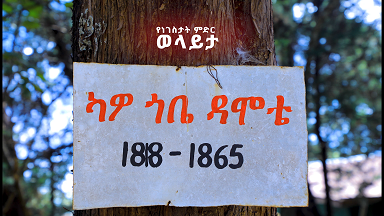
Rulers of Wolaita
Welaita, the land of kings
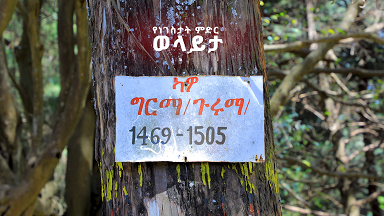
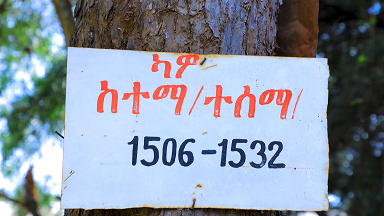
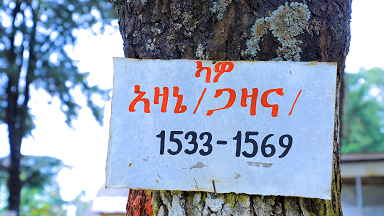
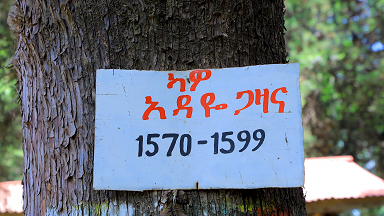
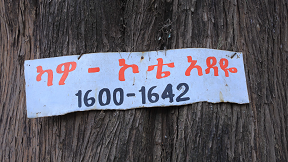
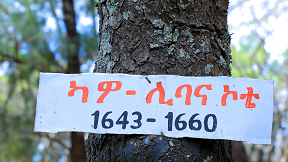
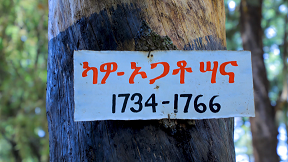
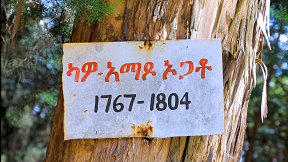
Visit Wolaita
Natural
Heritage
Slide left or right to see more
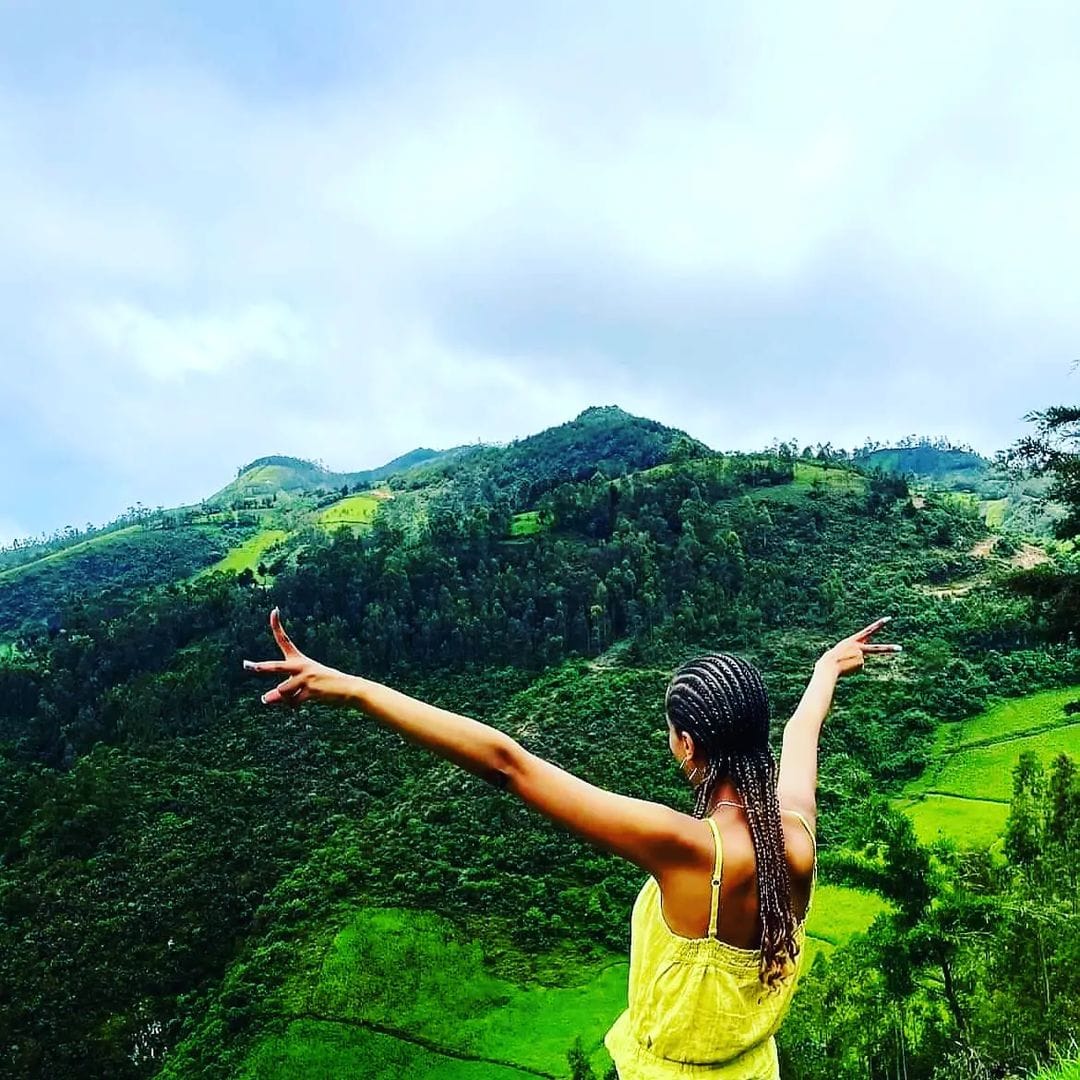
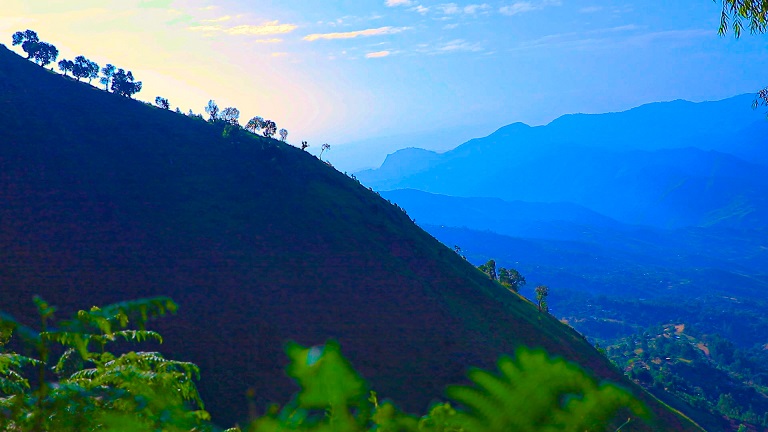
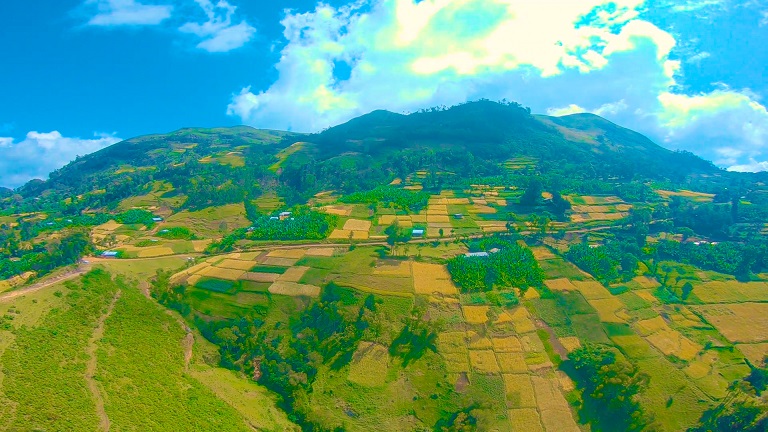
Mount Damota
mountain Damota is one of the most exciting and suitable mountains to look over. Mount Damota is found in wolaita zone sodo zuria woreda at a distance of 12 k.m away from the town of sodo to the North . This mountain is referred to as roof and water tower of wolaita and is 3000 meter, above sea level. The place is the source of numerous tourist attraction and also historical place for the kingdom of Wolaita. During the rainy season, the mountain is covered with snow and from the top of the mountain, one can have a wonderful view of the whole region of wolaita.
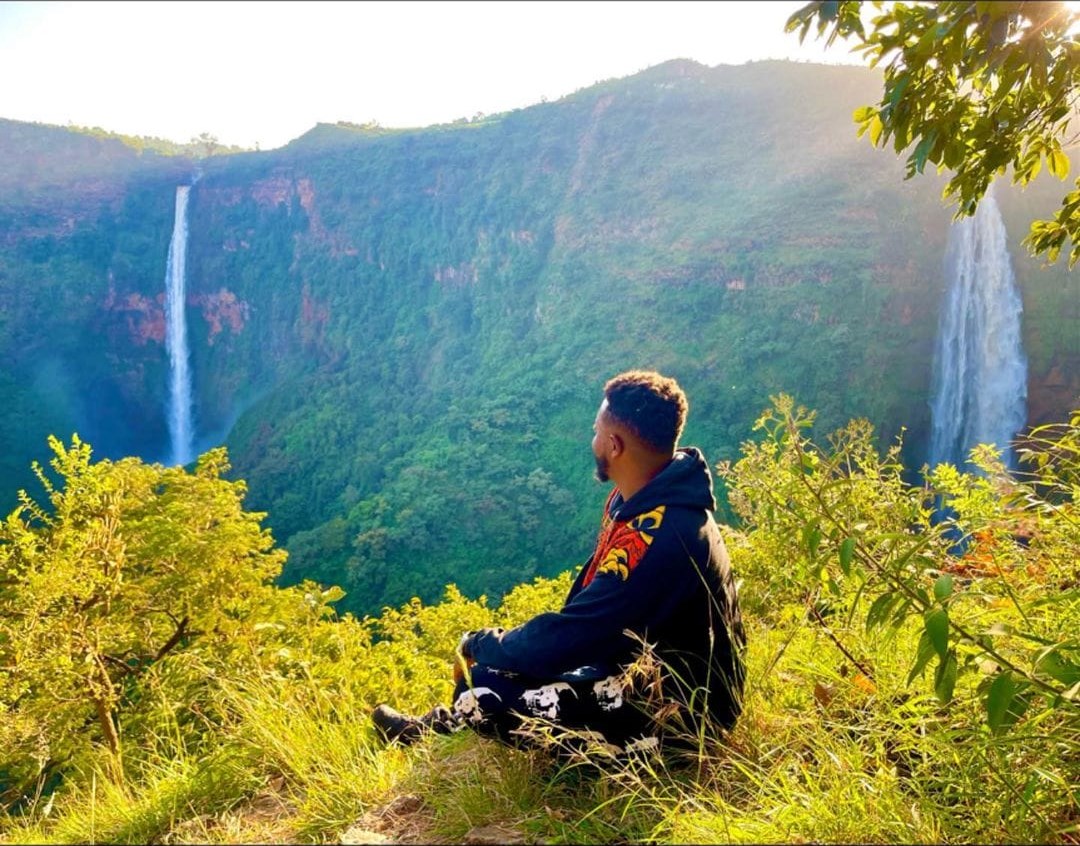
Ajora Twin Falls
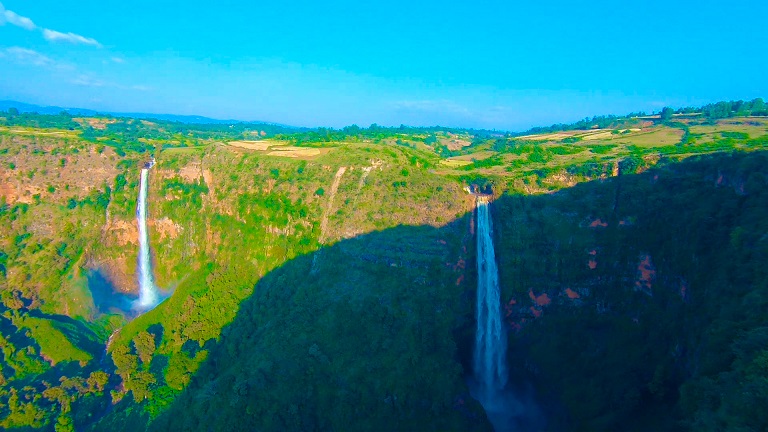
Ajora waterfall is the largest and tremendous natural tourist attraction site in wolaita zone. It is located in Bolosso Bombe woreda and 56 K.m away from the zonal capital sodo and it is 5 k.m aways the woreda capital Bombe. The twins are made from Soke and Ajancho rivers and are separated by about 100 m gap. They are plumping in tandem over a cliff about 170m and 210m distance respectively downward into the densely forested gorge and eventually flow into the Omo river.
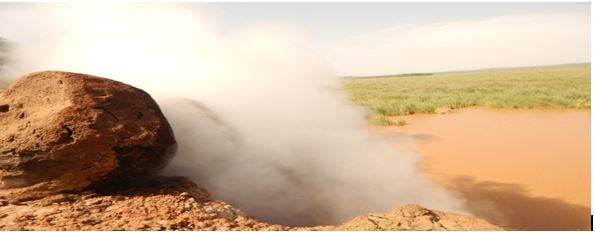
Abala chokare( Bilbo HotSpring)
This beautiful hotspring is situated in Humbo Woreda Abela mareka kebele. This circle shaped hot spring covers wide areas and has an amazing outlook with its rising smoke and boiled bubbles which come from deep inside the ground. The water vapor of this hot sparing can be seen from the distant before you arrive at the place. Many local people and tourists use this hotspring for healing illness and for recreational bathing.
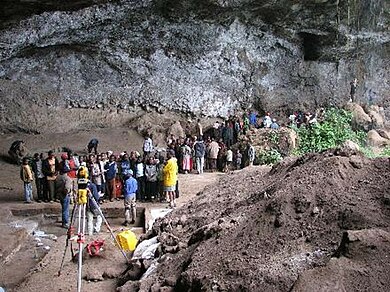
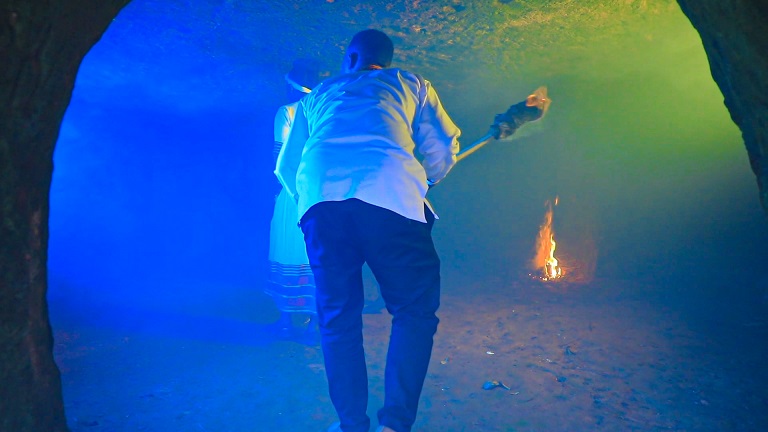
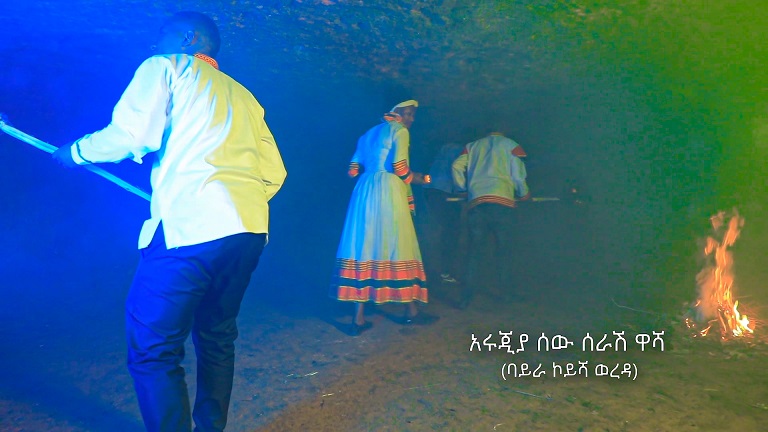
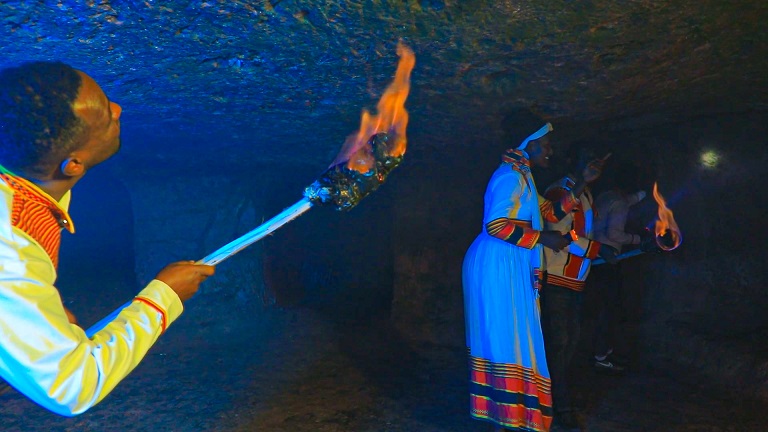
Mochena Borago cave
Mochena Borago Cave is a very amazing cave that is found in wolaita zone sodo zuria woreda at the foot of mount Damota. It is located at a distance of 12 k.m away from sodo town via Hossana-Adiss Ababa to the right side from the main road. The cave located at 2340 meter above sea level. The cave has 33 meters high roof and is 50 meters width. The wall of the cave naturally built with hard rocks around the cave Rock Wajja falling down from the top of the cave gives whitish color to the natural scenic view of green attraction. Currently the site is becoming interesting site for American, French and German archeologists. The recent archeological excavation revealed that man lived in the cave before 58,000 to 70,000 years.
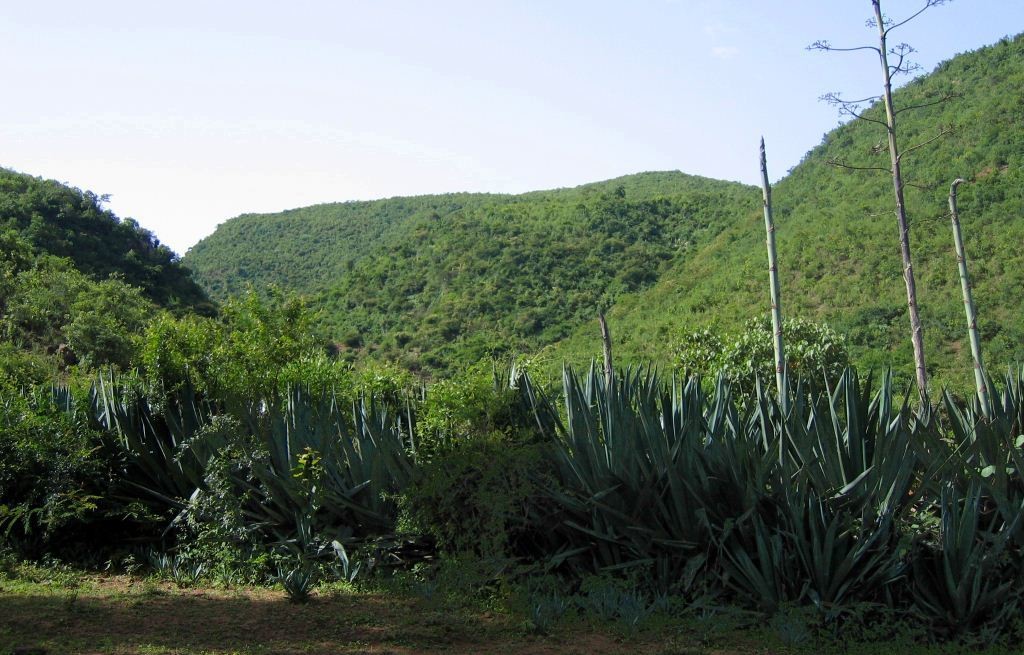
Carbon Project
This project is found in Humbo woreda and known as Africa’s first big forestry project and located at a distance of 42 km from wolaita sodo. The project covers an area of 2,800 hectars of degraded land since 2007 E.C. The aim of this project is to restore degraded natural forest. That is why the local people have established seven forest cooperative Associations with the legal ownership of community land .
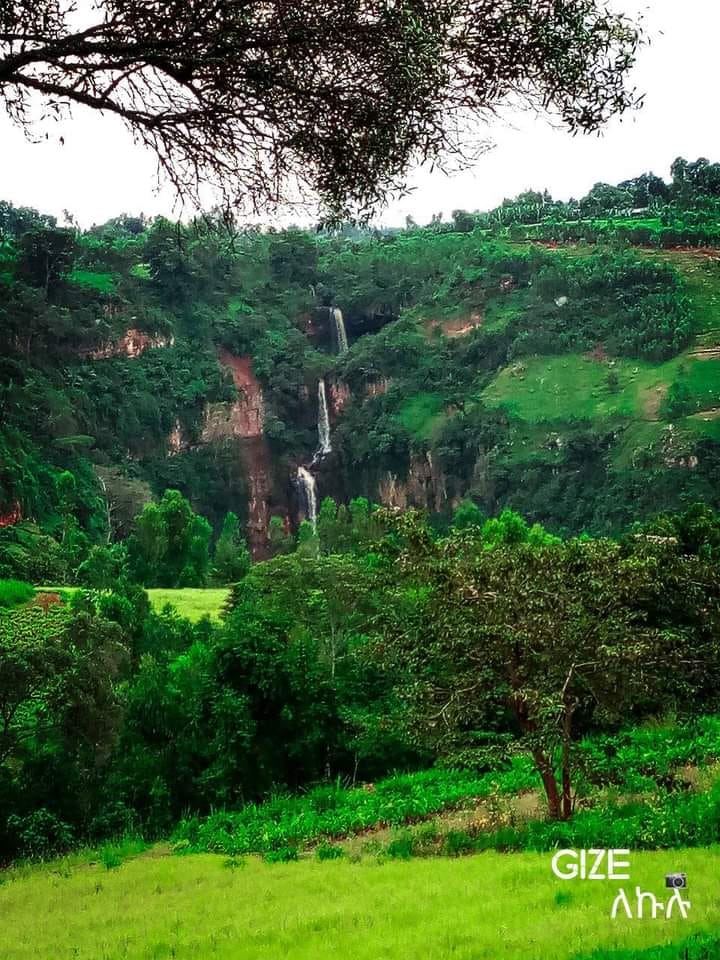
Handena Fall
Handena Fall , Gununo, Wolaita
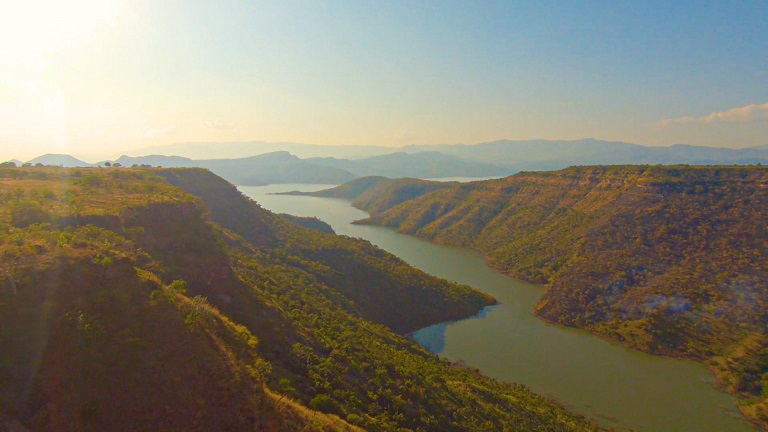
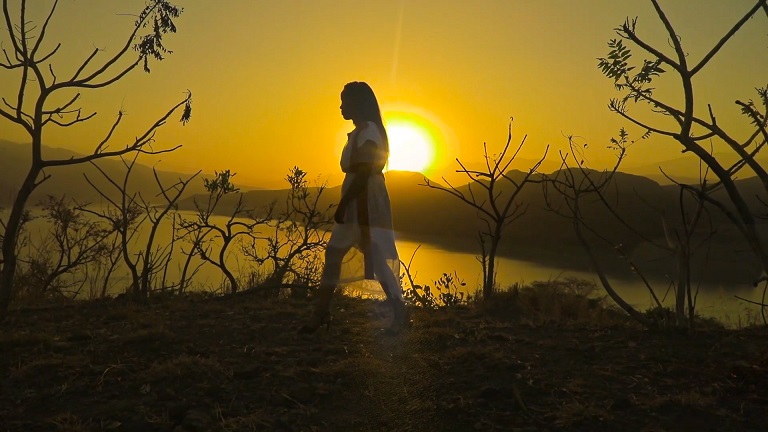
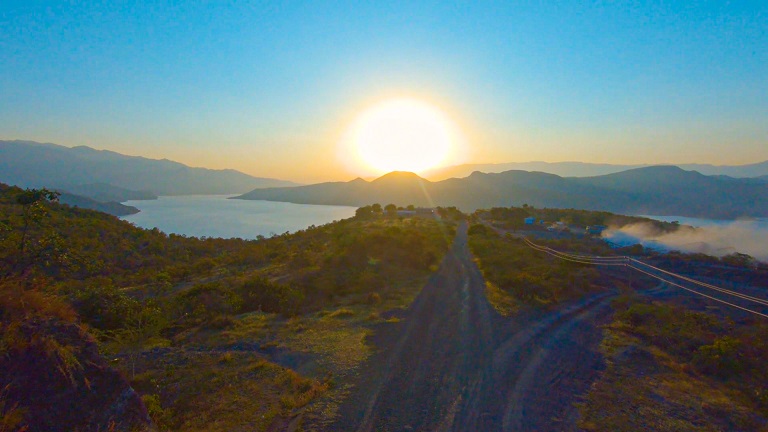
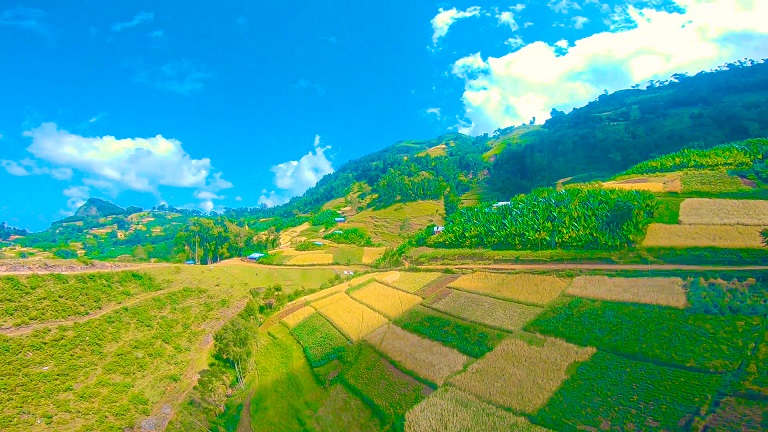
Nature
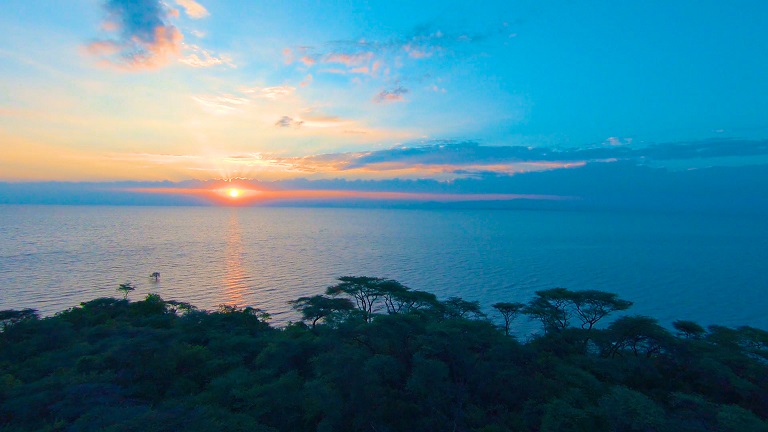
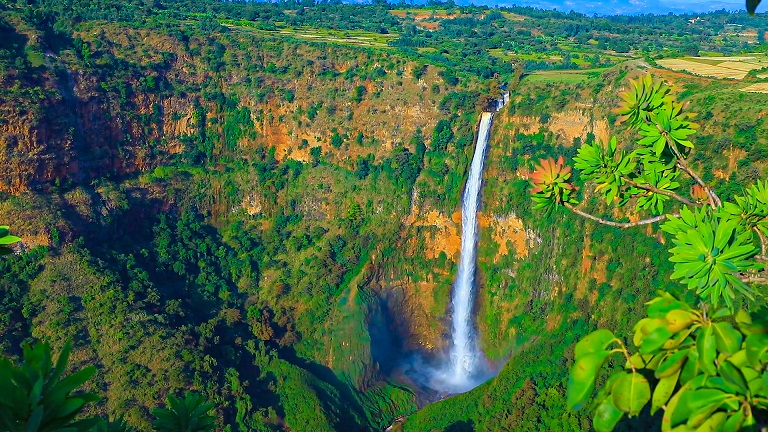

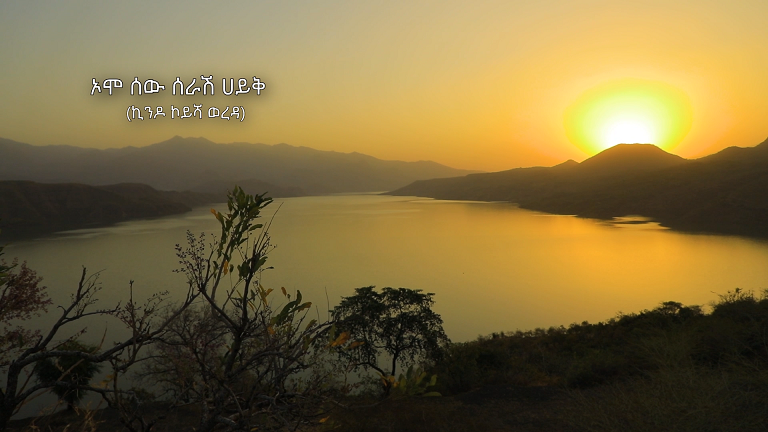
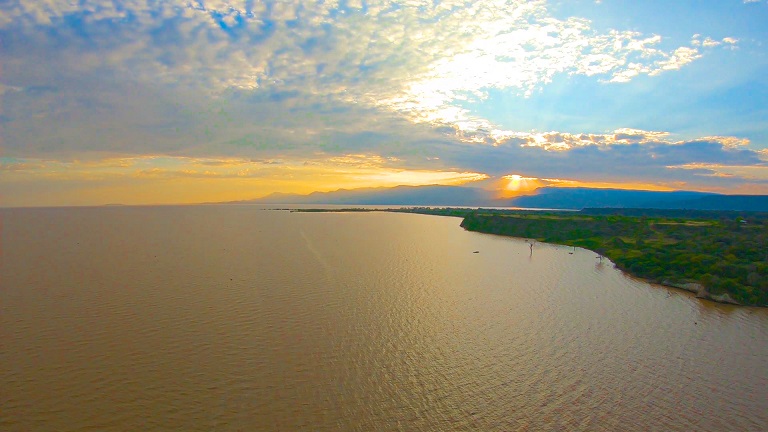
Visit Wolaita
Wolaita Zone Administration Culture and toutism
As a country, the government is paying special attention to the tourism sector and is working to strengthen the tourism sector, create jobs in the sector and contribute to poverty alleviation. Therefore, the administration of Wolaita Zone is the owner of many historical, cultural and natural attractions and according to the duties and responsibilities given by the Department of Culture, Tourism and Sports of the zone, it is planning and implementing activities to protect, develop, protect and benefit the society. In addition to doing a wide range of activities to speed up development and achieve good governance in our zone, various activities are being planned and implemented in order to bring fundamental changes in attitudes to make the community own and dream of the nation's cultural, historical, linguistic and tourism resources. In this regard, our main task should be to create a citizen who has a culture of work ethic, who uses time properly and does all development activities for the development of the country without choosing a job, and who hates rent-seeking. Therefore, this initial document has been prepared to develop and protect attractions in a sustainable manner, recognizing the current situation of the attraction profile document.
Guest houses ፣
Lodges and hotels
Guest houses located in the Walaita zone ፣ Lodges and hotels
-
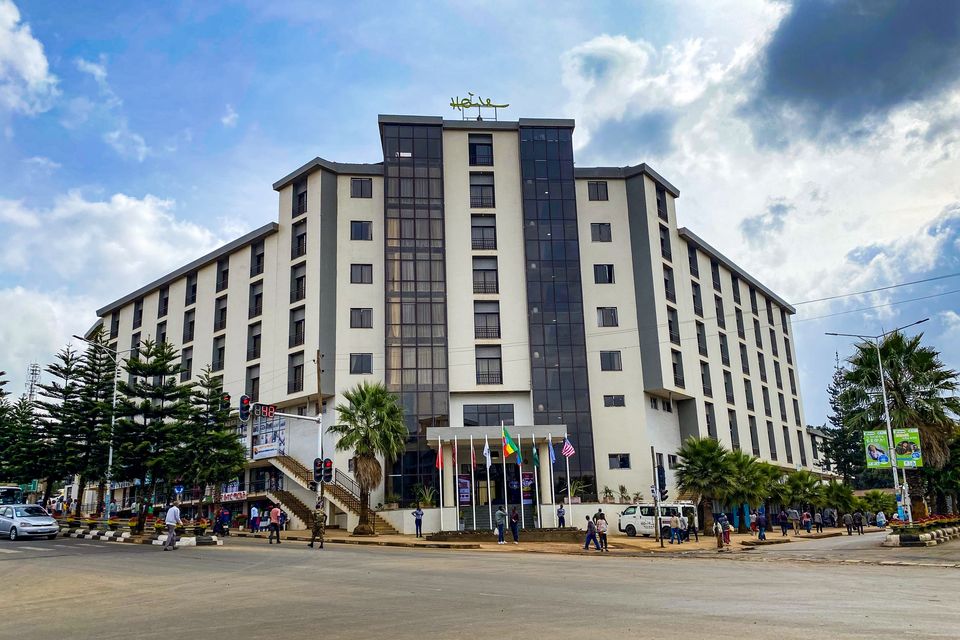
Haile Hotel Wolaita
Star: ⭐️⭐️⭐️⭐️
Wolaita Sodo is a highland city home to the four-star Haile Hotels. Located between 1,600 and 2,100 meters above sea level, Sodo is the political and administrative hub of the South Ethiopia Regional State and Wolaita Zone. The hotel’s ideal downtown location makes it simple to go to both the city’s major attractions and the surrounding cultural centers.
አድራሻ: , , Wolaita, South Ethiopia, Ethiopia
-
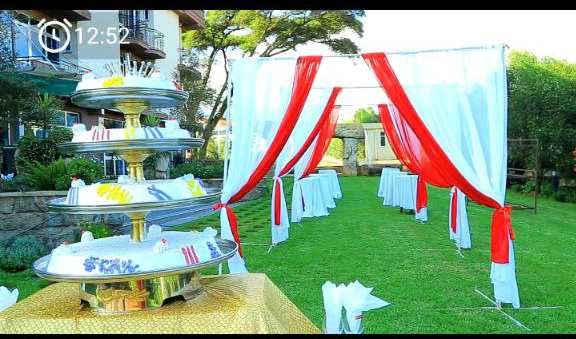
Yacob Hotel
Star: ⭐️⭐️⭐️
Welcome to Yacob Hotel
A Haven of Luxury and Comfort
At Yacob Hotel, we are committed to providing our guests with an unforgettable stay. Our dedicated staff is always ready to assist you, ensuring your comfort and satisfaction throughout your visit. Whether you are here for business or leisure, let us exceed your expectations and create lasting memories.አድራሻ: , , Wolaita, South Ethiopia, Ethiopia
-
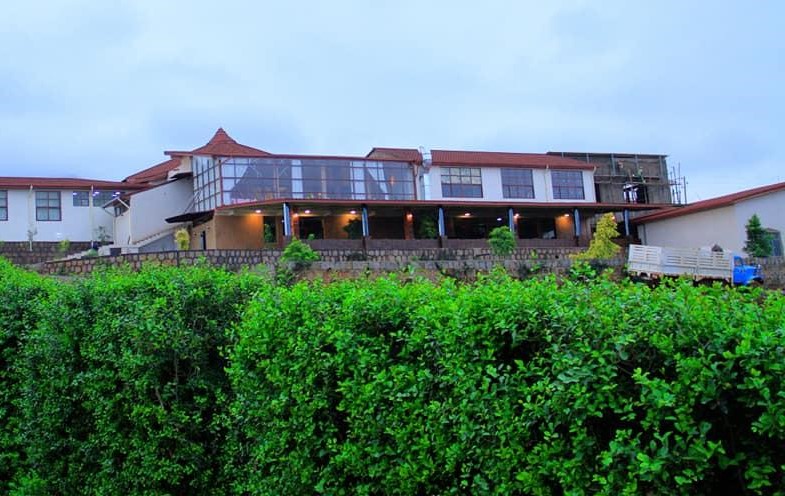
Lewi Resort Sodo
Star: ⭐️⭐️⭐️⭐️
Laid on more than 2000 square meter Lewi wolayta have Nature contaminated ambiance in the Southern regions beauty Wolayta. With more than 90 rooms in the middle of Green nature, topping it up with our Southern traditional touch restaurant and southern traditional food menu, will make your experience genuine than ever.
Located in Sodo, Lewi Resort Wolaita features a restaurant, bar, garden, and free WiFi throughout the property. Private parking can be arranged at an extra charge. At the resort, every room includes a balcony with a city view. Complete with a private bathroom equipped with a shower and a hairdryer, all guest rooms at Lewi Resort Wolaita have a flat-screen TV and air conditioning, and certain rooms will provide you with a seating area. Guest rooms will provide guests with a fridge.አድራሻ: , , Wolaita, South Ethiopia, Ethiopia