Investment Options
Investment options in the zone
Quisque eget nisl id nulla sagittis auctor quis id. Aliquam quis vehicula enim, non aliquam risus. Sed a tellus quis mi rhoncus dignissim.
Integer rutrum ligula eu dignissim laoreet. Pellentesque venenatis nibh sed tellus faucibus bibendum. Sed fermentum est vitae rhoncus molestie. Cum sociis natoque penatibus et magnis dis parturient montes, nascetur ridiculus mus. Sed vitae rutrum neque. Ut id erat sit amet libero bibendum aliquam. Donec ac egestas libero, eu bibendum risus. Phasellus et congue justo.
አግኙን
Education
Ethiopia has no shortage of universities – there are more than 30 across the country. The government has successfully put schools into most villages. As a result, primary schooling continues to grow. Yet the literacy rate sits around 42 percent. This figure will improve over time. And as both primary education attendance and literacy improves, the secondary level of education, specifically universities and vocational schools, will become most attractive for private investment. Furthermore, investing at this level presents multiple opportunities for scaling and developing infrastructure. Institutions can scale across the country with Ethiopia’s much-dispersed population – the country is not nearly as urbanized as its neighbors. Institutions can also potentially scale across borders as Africans demand better secondary schooling options because companies and investors require higher training. One Ethiopian university has already expanded operations to neighboring Somaliland. One challenge investors will face in this sector is a consumer base that remains relatively poor. Income per capita was estimated at $450 in 2012, less than one-third of the sub-Saharan average of about $1,535. “But with the return of the diaspora, a growing middle class, and Ethiopians’ strong desire to learn, the education sector will continue to grow,†says one local education consultant. “It is just a matter of price and what is offered by the institution.†Skills desired in the market (inside and outside Ethiopia) include nursing, engineering, and technology. “If the students are not hired here,†says the educator, “they will be hired in other countries as long as the best quality of education is being provided.â€
አግኙን.jpeg)
Fast Moving Consumer Goods and Agribusiness
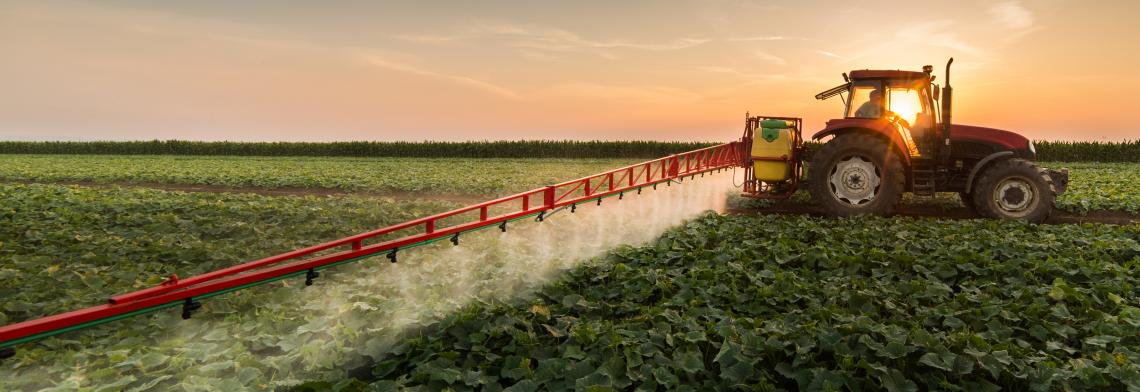
Agriculture and livestock account for more than 50 percent of GDP and employ more than 80 percent of the workforce. The young foreign consultants running around Addis in bunches and pronouncing allegiance to the Agricultural Transformation Agency (ATA) are a humorous indicator of the focus the government puts on agriculture. Ethiopia is also home to Africa’s largest livestock population, with huge exports to the Middle East. The ATA, managed by Khalid Bomba, a former Wall Street banker and staffer at the Gates Foundation, works with local farmers on bettering planting skills, improving irrigation and organizing co-operatives among other things. “Agriculture improvements here have been great,†says one ATA worker based in Addis, “but there are so many challenges for the country in agriculture that will take a long time to fix.†Moving the value chain online in both agriculture and livestock could boost the economy more than the production gains achieved to date. Ethiopia’s diverse landscape and climate offer the world amazing coffee beans and delicious tea. At the moment, these products are generally processed and packaged outside the country to the disadvantage of Ethiopia. Once processed and packaged onshore, local Ethiopians could expect to see more than triple the price per kilogram they currently get for their generally raw, unpackaged and unbranded exports. Livestock, fish, and poultry present the greatest space for growth. In a country where dairy consumption is at 17 liters per person per year, dairy production could be greatly improved and coupled with a campaign to improve dairy consumption. Fishery is a virtually untouched industry that is also in need of investors. Chicken consumption is at 0.6kg per person per year, well below the 6kg sub-Saharan Africa average and the 36kg South African average. It is production that hampers this industry which faces high consumer demand despite high prices. With Easter quickly approaching, experts predict that the price of chicken at the market could rise to $3,75 per pound, well above the U.S. price per pound of about $1,02. “Doro wat is national dish in Ethiopia that requires chicken,†says Abebe, an expat, “yet the cost of chicken means that most times when I have it at a local house, it mainly includes bones, not meat.†Adding broilers and cold storage to this value chain investment is the biggest challenge with the biggest reward. Scaling concerns, boiler implementation, and veterinarian and disease concerns among other things will pester any potential investor. But with a growing market in Ethiopia, Tanzania and other neighbors, investors will keep trying until someone gets it right. For years, one of Africa’s biggest economies has run under the radar. But no longer is it going to sit on the sidelines. The buzz is real. The opportunity is real. “Many of us [diaspora] did not see all this coming,†says a visiting Ethiopian from Washington D.C., “maybe it is time to spread the word and get more diaspora on the flight back to the motherland.â€
አግኙን